The Value-Added Challenge Facing Vietnamese Agriculture
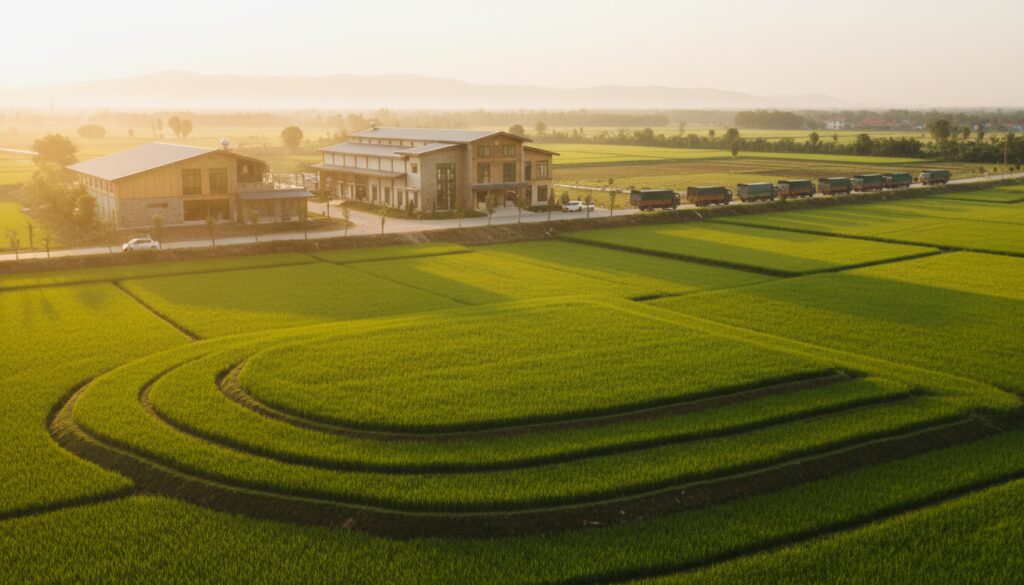
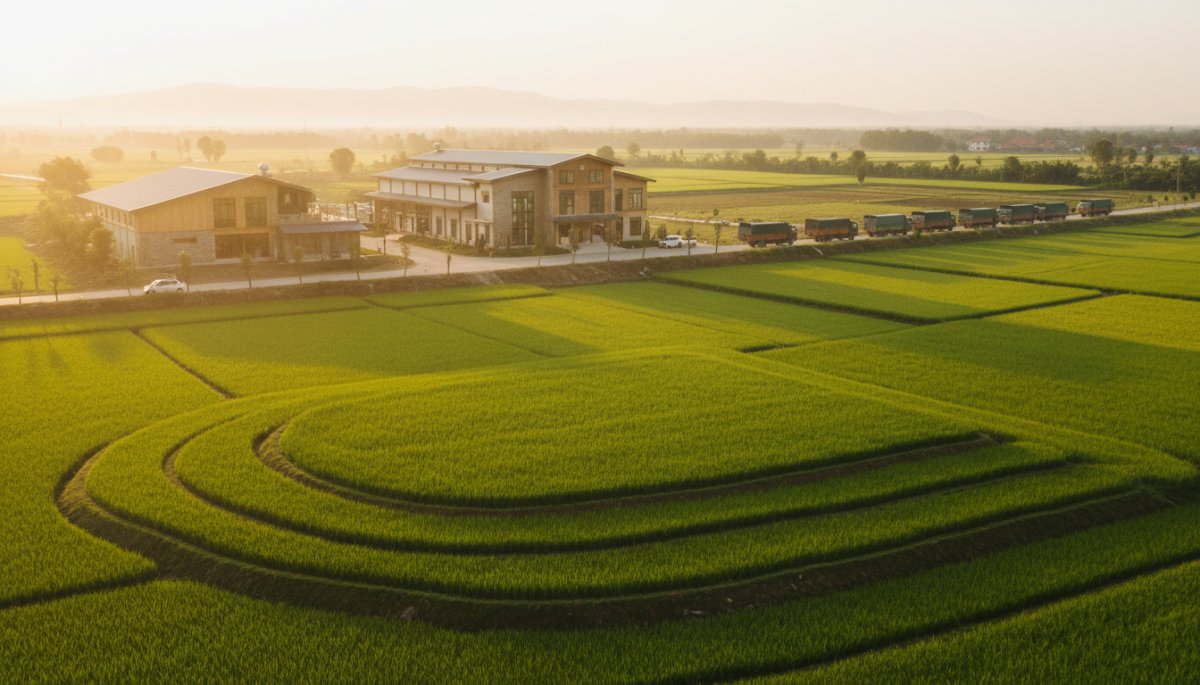
Vietnam is a Southeast Asian agricultural powerhouse with a population of about 100 million. Its annual rice production is about 43.5 million tonnes and its export volume ranks second in the world, coffee output ranks second in the world, and Robusta it is the world's largest, for Cashew nuts and black pepper ranks first in the world.
Yet behind this impressive production record lie structural challenges.
The bulk of agricultural exports are unprocessed primary commodities, and exports of products whose value has been raised through processing remain limited. Taking coffee as an example, although Vietnam has the world's second-largest output, a high proportion is exported as green beans, and its brand value as roasted, processed finished products lags behind competitor countries such as Colombia and Ethiopia.
This low level of added value has become an important issue for Vietnamese agriculture.
What Is Sixth-Industrialization? A New Possibility for Vietnamese Agriculture
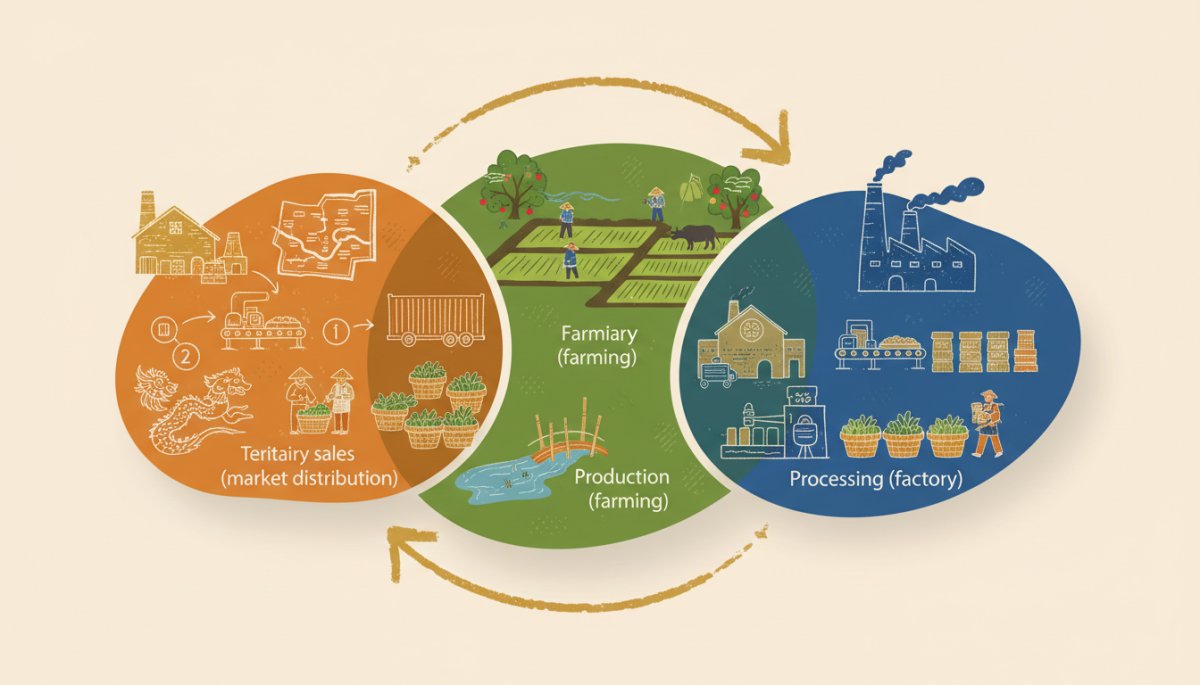
Sixth-industrialization refers to efforts in which farmers themselves create added value by integrating primary industry (production), secondary industry (processing) and tertiary industry (sales and services).
Beyond simply producing crops, farmers also handle processing, branding distribution and direct sales end to end, thereby maximizing profit.
In Vietnam, the Mekong Delta is a world-class production belt responsible for more than half of the country's rice output, while the Central Highlands are a major production area for plantation crops such as coffee, tea, cacao and pepper. Promoting sixth-industrialization in these regions is expected to boost farmers'raising incomes incomes and strengthen their international competitiveness.
The Vietnamese government has also set out its 'Strategy for Sustainable Agriculture and Rural Development to 2030, with a Vision to 2050,' positioning the adoption of smart agriculture as a national priority.
Source Chibanian Part-Time Farmers' School, 'Innovation and Future Outlook for Vietnamese Agriculture'(2024)
Strategy 1: Building an Integrated Production-Processing-Sales Model
Making the Entire Value Chain Visible
The first step in sixth-industrialization is to manage the entire process, from production to the consumer's hands, in a unified way.
In Vietnam, 97% of all farmers are small or medium-scale, and the average cultivated area per farm is about 0.44 hectares, among the smallest in ASEAN. Making the most of this small scale, local farmers can cooperatives form such groups and jointly operate processing facilities would be an effective model.
Developing the Cold Chain
Harvested produce is often left poorly stored or transported, so it deteriorates and is discarded; these post-harvest losses weigh on the profitability of agriculture as a whole.
For perishable items such as fruit and seafood in particular, a lack of refrigeration and freezing facilities holds back improvements in export competitiveness.
Introducing shared cold-storage facilities at the regional level and building systems for sharing refrigerated trucks are keys to raising added value.
Strategy 2: Improving Shelf Life and Transport Efficiency through Drying and Powder Processing
Tropical produce spoils quickly, so as-is it is difficult to transport over long distances or store for long periods.
By applying drying or powder processing, however, shelf life improves and logistics costs can be cut.
International Demand for Dried Vegetables and Fruit
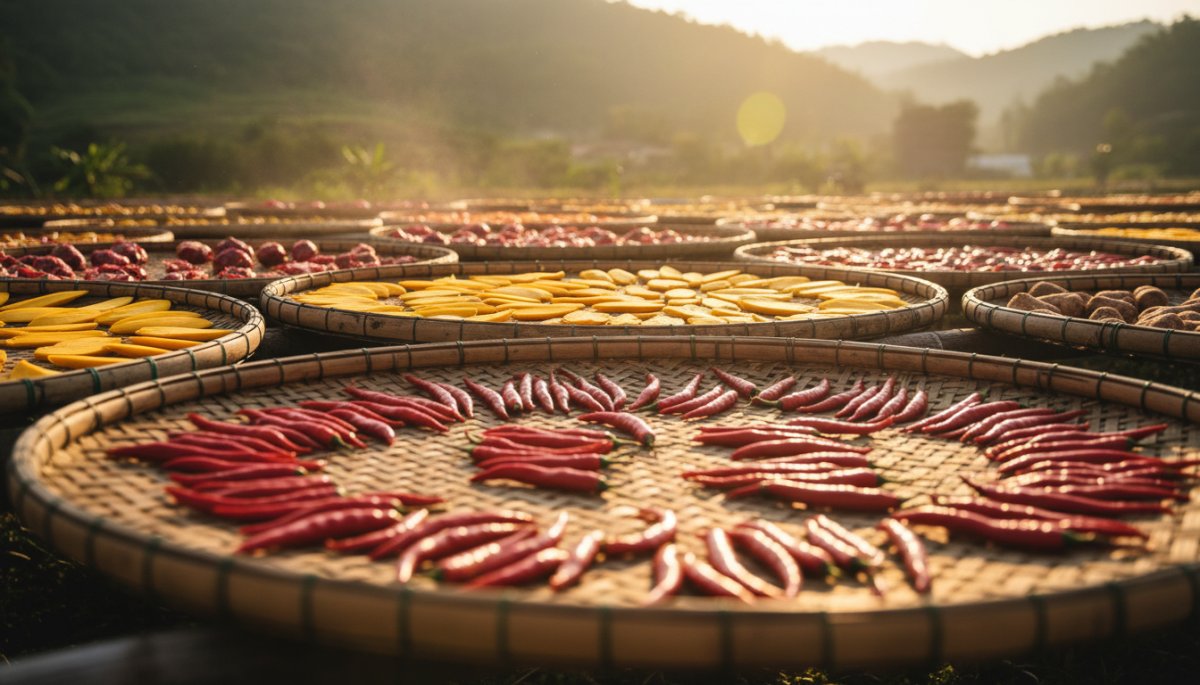
Demand for dried vegetables, dried fruit and freeze-dried products is expanding in developed-country markets against a backdrop of rising health consciousness. By drying Vietnam's abundant fruit resources, such as mango, dragon fruit and jackfruit, there is potential to export them to Western and Japanese markets as high-value-added products.
Expanding uses through powdering
Turning coffee, tea and spices into powder not only increases convenience for consumers but also opens up sales channels for commercial uses, such as restaurants and food manufacturers.
Vietnam is black pepper Vietnam ranks first in the world in pepper production, and powdering or blending it could generate further added value.
Strategy 3: Branding and Storytelling
Using Geographical Indications (GI)
Vietnam has many region-specific products, such as coffee from the Da Lat highlands, tea from Hue and rice from the Mekong Delta.
By protecting these under the geographical indication (GI) system and raising their brand value, differentiation in international markets becomes possible.
Sales That Show the Producer's Face
Consumers tend to find value in the 'story' of who made something and how.
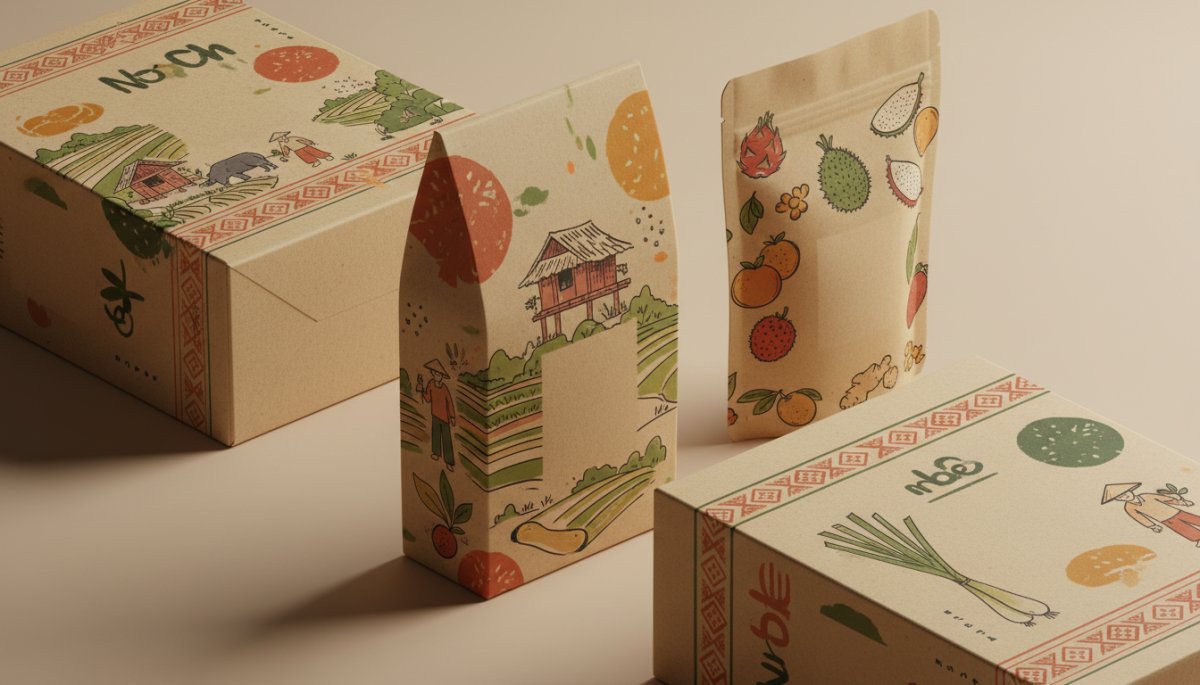
By recording small farmers' production processes in photos and videos and sharing them on packaging and websites, producers can build trust with consumers.
Introducing a blockchain-based traceability system could also contribute to food safety and higher brand value.
Strategy 4: Pursuing Organic Farming and Sustainability
The "Japan-ASEAN Midori (Green) Cooperation Plan," adopted at the Japan-ASEAN Agriculture and Forestry Ministers' Meeting in May 2023, is a comprehensive cooperation framework for building sustainable agriculture and food systems in the Asian monsoon region.
Obtaining Organic Certification
In Vietnam, the Ministry of Agriculture and Rural Development has set the expansion of organic farming as a policy goal, but the certified organic farmland area is still only a tiny fraction of the total.
However, major export destinations such as the EU, Japan and the United States tighten their pesticide-residue and hygiene standards year by year, so organic certification is an important factor in boosting competitiveness in international markets.
Introducing Technologies That Reduce Environmental Impact
Soil degradation and water pollution from excessive use of pesticides and chemical fertilizers, along with pesticide residues, pose a double challenge: health risks for domestic consumers and compliance with the hygiene standards of importing countries.
The international rollout of the environmental-impact-reduction technologies set out in Japan's 'Strategy for Sustainable Food Systems (MIDORI)' could be a major opportunity for Vietnamese agriculture.
Source Ministry of Agriculture, Forestry and Fisheries, 'Food Value Chains in the ASEAN Region'(2023)
Strategy 5: Adopting Smart Agriculture Technologies
The Vietnamese government positions the adoption of smart agriculture as a national priority.
Using IoT and AI
A variety of technologies, such as environmental monitoring with IoT sensors, pesticide spraying by drone and AI-based pest and disease prediction, are being demonstrated in various regions.
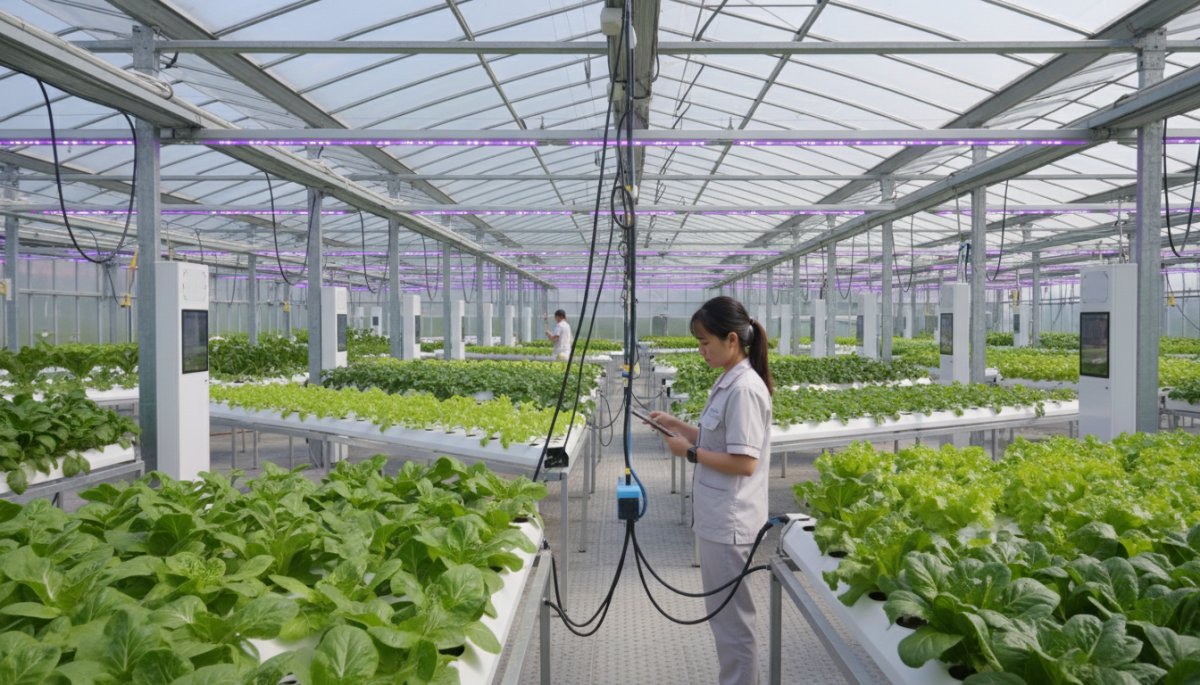
Lam Dong province (around Da Lat) is a leading region for smart agriculture in Vietnam, where greenhouse systems and automated irrigation systems have been introduced for vegetable growing.
Low-Cost Models for Small and Medium Farmers
Adopting smart agriculture requires an initial investment, so spreading it to small farmers with limited funds is a challenge.
Japanese companies are running demonstration projects for small and medium greenhouses and remote cultivation-support solutions, and these low-cost models could be the key to wider adoption.
Source Niinuma Co., Ltd., 'High-Profit Farm Management through Remote Support in Vietnam'(2025)
Strategy 6: Building Direct Sales Channels and Using E-Commerce
Farm Stands and Farmers' Markets
In Vietnam's urban areas, farm stands and farmers' markets that skip intermediate distribution are gaining popularity.
By selling directly to consumers, producers can cut middleman margins and potentially increase farmers' take-home earnings.
Using E-Commerce Platforms
Smartphone penetration is high in Vietnam, and selling farm produce through e-commerce platforms is expanding.
Selling via social media such as Facebook and Zalo is also thriving, and an environment is taking shape in which even small farmers can reach the national market at low cost.
Strategy 7: Forming Cooperatives and Shared Brands
It is difficult for small farmers to achieve sixth-industrialization on their own, but by cooperatives forming cooperatives, they can jointly operate processing facilities, build shared brands and sell collectively.
Establishing Regional Brands
By establishing shared brands that make use of each region's characteristics, such as rice from the Mekong Delta, coffee from the Central Highlands and tea from the northern mountains, producers could raise recognition in international markets.
Sharing Technology and Know-How
Cooperatives also serve as a place to share processing techniques and quality-control know-how.
With about 57% of agricultural workers being unskilled and those aged 50 and over reaching about 43%, cooperatives also play an important role as a place to pass on techniques and educate younger generations.
Source Ministry of Health, Labour and Welfare, 'Overseas Situation Report: Vietnam Special Feature'(2016)
Strategy 8: Using International Cooperation and Technology Transfer
Technological innovation in Vietnamese agriculture is being accelerated by international cooperation.
Cooperation Framework with Japan
Japan positions ASEAN as a key partner in the international rollout of the environmental-impact-reduction technologies set out in its 'Strategy for Sustainable Food Systems (MIDORI).'
Its pillars are the transfer of precision-agriculture technology, support for promoting organic farming, the introduction of paddy-management techniques to cut greenhouse-gas emissions, and support for upgrading agricultural value chains.
Support from International Institutions Such as the World Bank
International support programs such as the World Bank-backed 'Cambodia Agricultural Sector Diversification Project' are also being rolled out in Vietnam, helping to build agricultural value chains.
Source Mitsui & Co. Global Strategic Studies Institute, 'Current State and Outlook of Southeast Asian Agriculture'(2023)
Conclusion: Sixth-Industrialization Opening Up the Future of Vietnamese Agriculture
Vietnamese agriculture boasts world-class production volumes, yet it faces the structural challenge of low added value.
However, by integrating production, processing and sales through sixth-industrialization and branding combining branding, smart agriculture, organic farming and international cooperation, this challenge can potentially be addressed.
By putting these strategies into practice, such as improving shelf life through drying and powdering, developing cold chains, introducing traceability systems and forming shared brands through cooperatives, Vietnam's farm products could gain competitiveness in international markets.
The Vietnamese government's 'Strategy for Sustainable Agriculture and Rural Development to 2030' and the 'Japan-ASEAN Midori Cooperation Plan' provide frameworks that support this transformation.
Now is an opportunity for Vietnamese agriculture to shift 'from quantity to quality' and raise its added value.
If you are interested in the sixth-industrialization of Vietnamese agriculture, start by gathering information.
Building new business models that make use of regional produce, taking on international markets, achieving sustainable agriculture: you can take that first step today.

