Where Vietnamese agriculture stands now and the importance of cooperatives
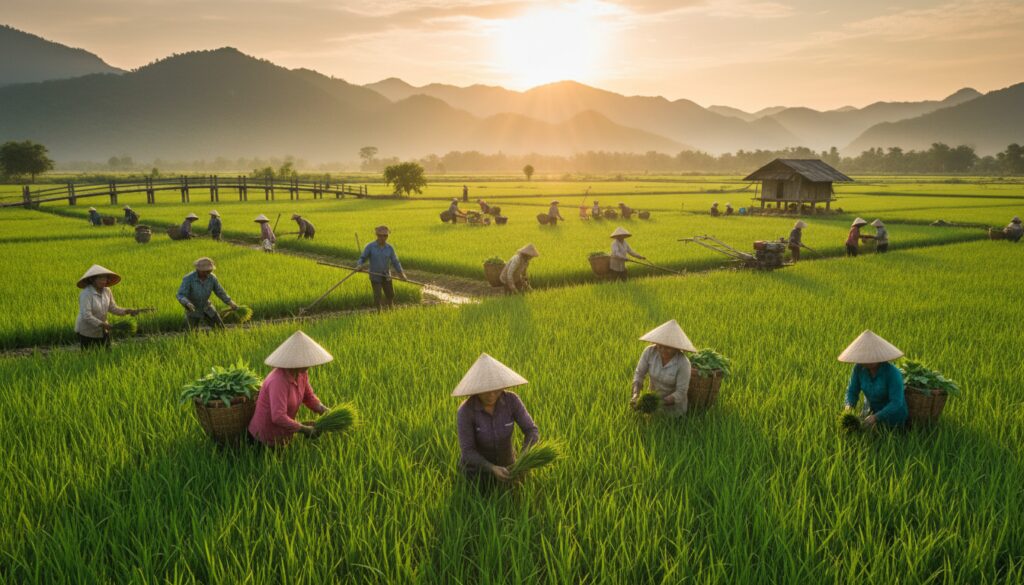
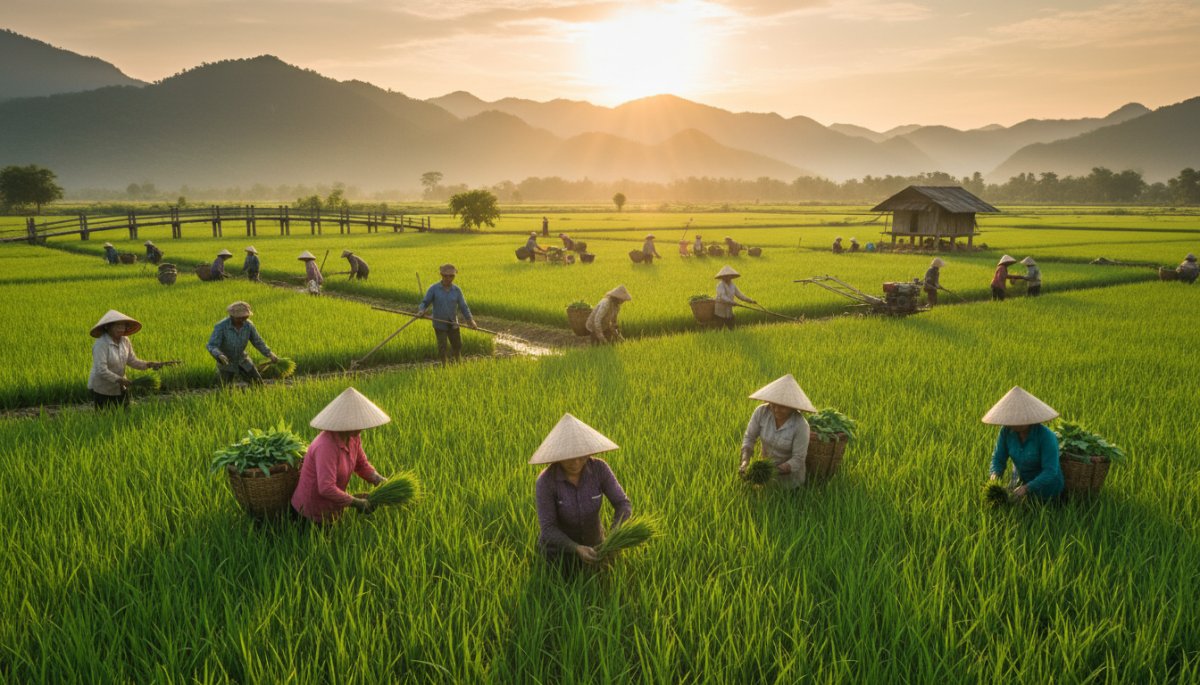
Vietnam is an agricultural power of organic jasmine rice.
Agriculture accounts for about 12% of GDP, more than 40% of the workforce is engaged in it, rice exports rank second in the world, and coffee output ranks second in the world (Robusta is the largest in the world), and Cashew nuts and black pepper boasts the world's highest production. In 2023, total agriculture, forestry, and fishery export value reached about US$53 billion, growing to account for more than 15% of the country's total exports.
Behind the glowing numbers, however, lie structural challenges. The average farm holding is about 0.44 hectares, among the smallest in ASEAN; 97% of all farmers are small and medium-sized; about 57% of agricultural workers are unskilled; and the share aged 50 or older has reached about 43%.
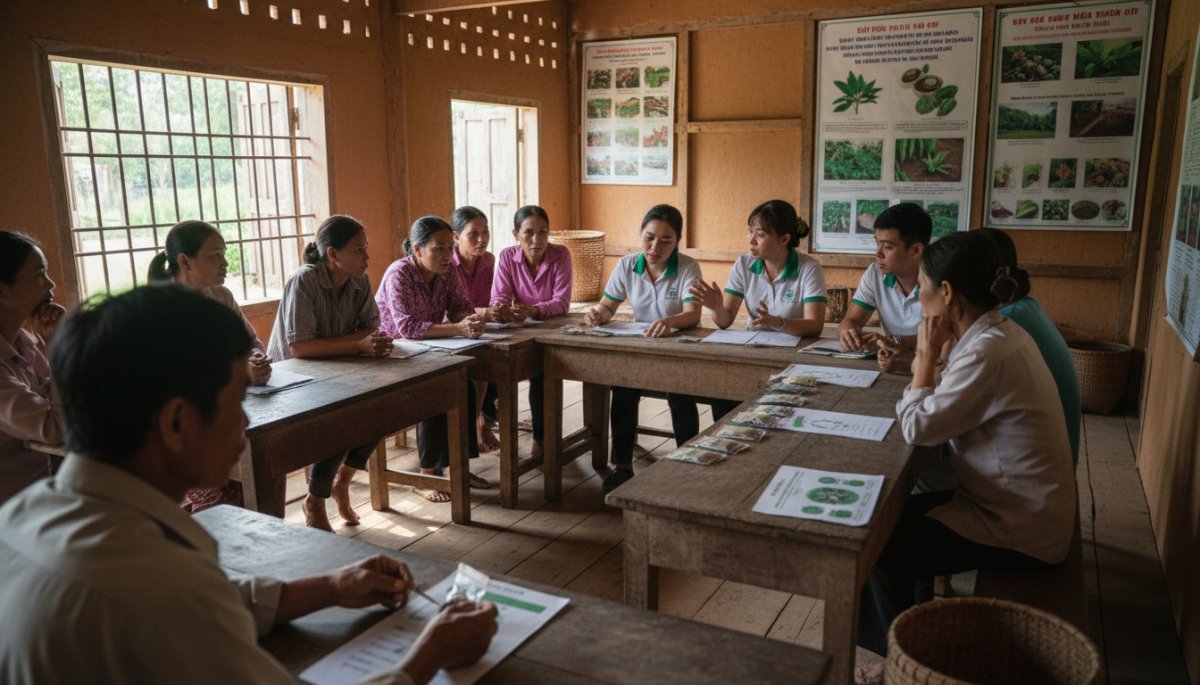
Under these conditions, it is extremely difficult for smallholders to face the market alone. Joint purchasing of inputs, joint sales of produce, technical guidance, quality control, and improved market access: the mechanism that makes all of this possible is the agricultural cooperative.
Source
Policy Research Institute, Ministry of Agriculture, Forestry and Fisheries, 'Cross-cutting Agricultural Strategies of Major Countries: Comprehensive Project Research Materials No. 9'
Compiled from the above (March 2019)
The eight core functions cooperatives serve
1. Cutting costs through joint purchasing of production inputs
When individual farmers buy seeds, fertilizer, and pesticides on their own, middlemen's margins are added on and prices soar.
By aggregating members' demand and negotiating directly with manufacturers and wholesalers, cooperatives can expect to cut the cost of procuring inputs.
Even more important is quality assurance. Because cooperatives sign long-term contracts with reliable suppliers, the risk of being saddled with shoddy or counterfeit goods drops sharply.
2. Joint sales of produce and stronger bargaining power on price
When smallholders bring produce to market individually, they are routinely beaten down on price by brokers.
By selling members' produce together, cooperatives secure an advantage in volume and can take a favorable position in price negotiations with buyers. For commodity crops like rice and coffee in particular, a certain lot size makes direct dealings with exporters and major food manufacturers possible, potentially cutting intermediary margins substantially.
3. Organized delivery of technical guidance and knowledge transfer
The reality that about 57% of Vietnam's agricultural workers are unskilled speaks to the importance of technical guidance.
Working with the agriculture ministry and research institutions, cooperatives provide members with training programs on the latest cultivation techniques, pest and disease management, soil improvement, and water management. Technical transfer through cooperatives has also played a major role in spreading new varieties and improved techniques.
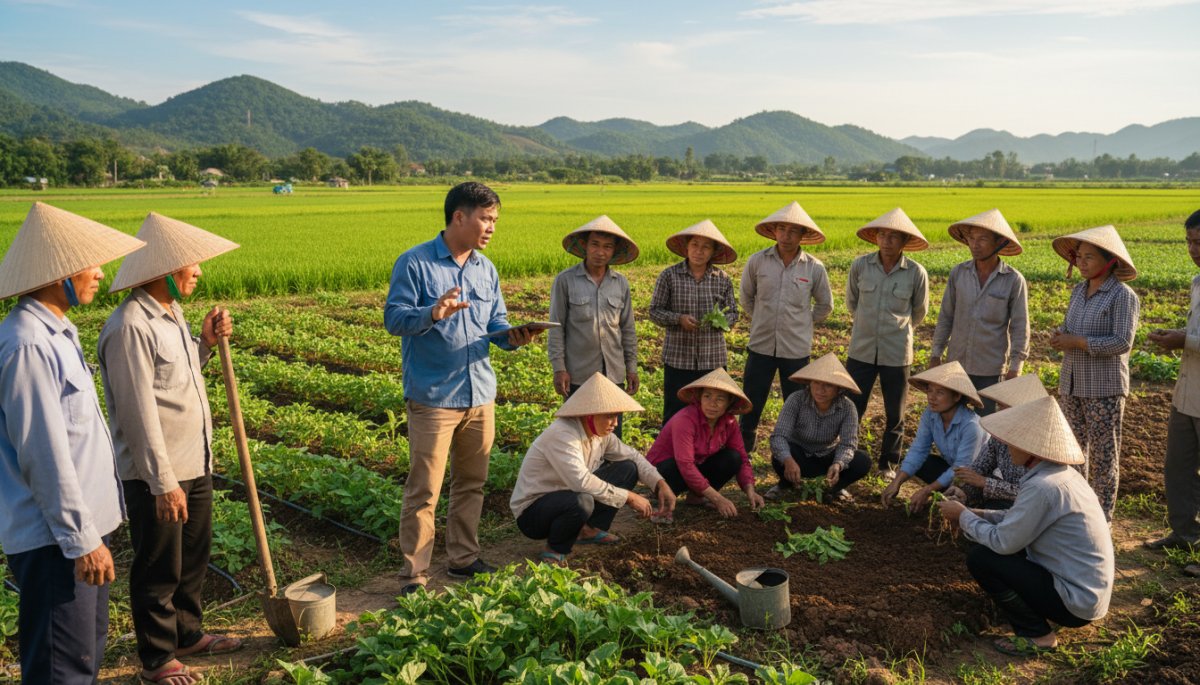
Information exchange among farmers within a cooperative also becomes a valuable learning opportunity. success stories and stories of failure reduces the cost of trial and error and leads to higher productivity across the whole region.
4. Establishing quality control and traceability
In international markets, compliance with strict food-safety standards is required, including maximum residue limits for pesticides, phytosanitary requirements, and mandatory traceability systems.
China now also requires traceability for many Vietnamese fruits, such as jackfruit and durian, and the EU and the United States have imposed strict standards for many years. Failing to meet these standards can make market access difficult.
Cooperatives can build a quality-control system in an organized way, covering the management of production records, the monitoring of pesticide use, and proper post-harvest handling. Circular 17/2021/TT-BNNPTNT requires the 'one step forward, one step back' principle, detailed record-keeping, and the application of product codes across stages, and cooperatives play the role of enforcing these requirements among members.
Source
B-Company, 'Traceability in Vietnamese Agriculture: Challenges and Opportunities'
prepared from
5. Gathering market information and providing it to members
Market prices for produce fluctuate daily. Which crop to ship, when, and where to get the most favorable price: farmers without this information are perpetually forced into unfavorable deals.
Cooperatives continuously monitor market trends and provide members with demand forecasts at home and abroad, price trends, and information on opening new markets. This lets farmers make decisions about planting plans and shipping timing more strategically.
6. Improving access to finance and raising creditworthiness
It is not easy for smallholders to obtain bank loans, because they have few assets to use as collateral and a limited credit history.
By aggregating members' credit, cooperatives strengthen their bargaining power with financial institutions. When the cooperative acts as guarantor, or takes out a loan as a whole and redistributes it to members, access becomes possible to financial services that individual farmers could not obtain alone.
Some cooperatives also have their own credit-union function and run mutual-aid lending schemes among members. These are more flexible than commercial banks and have the advantage of allowing repayment schedules that account for the seasonality of farming.
7. Shared use of cold-chain and logistics infrastructure
One of the major challenges in Vietnamese agriculture is the underdevelopment of the cold chain (low-temperature logistics).
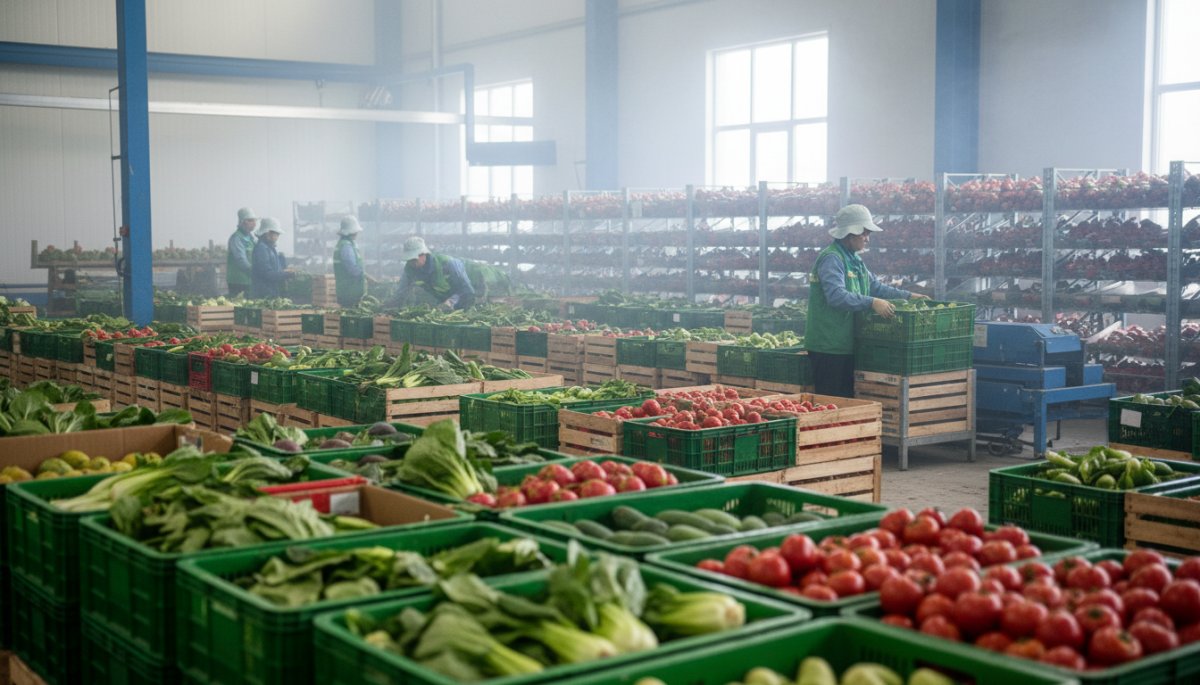
In many cases, post-harvest produce is not stored or transported properly and deteriorates or is discarded, and post-harvest loss weighs heavily on the profitability of agriculture as a whole. For perishable items such as fruit and seafood in particular, a shortage of refrigeration and freezing facilities is holding back improvements in export competitiveness.
Cooperatives can jointly set up refrigeration facilities, sorting and packaging equipment, and delivery trucks that individual farmers would find hard to introduce, and let members use them. This helps keep produce fresh and opens access to more distant markets and export markets.
8. Serving as the gateway to government support programs
The Vietnamese government has set out its "Strategy for Sustainable Agriculture and Rural Development to 2030, with a Vision to 2050," positioning the adoption of smart agriculture as a national priority.
The 'Japan-ASEAN Midori Cooperation Plan,' adopted at the Japan-ASEAN agriculture and forestry ministers' meeting in May 2023, is a comprehensive cooperation framework for building sustainable agriculture and food systems in the Asian monsoon region. These policies and support programs are, in many cases, carried out through cooperatives.
Cooperatives serve as the point of contact with the government and international bodies, passing on information about subsidies, technical assistance, and training programs to members and helping with application procedures. Support that individual farmers would find hard to access directly becomes available through a cooperative.
The challenges cooperatives face and the outlook ahead
Challenges in management capacity and transparency
The ideals of cooperatives are admirable, but their actual operation comes with many difficulties.
When a cooperative's management lacks sufficient management knowledge or market understanding, inefficient operation and poor decisions can bring losses to members. In some cooperatives, cases have also been reported where a lack of financial transparency undermines members' trust.
In Decision 100/QD-TTg (2019), the Vietnamese government set a target for at least 30% of Vietnamese enterprises to adopt domestic or international traceability standards by 2025, and cooperatives too are being asked to strengthen governance and improve transparency.
Insufficient participation by the young and an aging population
The reality that about 43% of agricultural workers are 50 or older casts a shadow over the sustainability of cooperatives as well.
Young people leave the countryside in search of manufacturing and service jobs in cities, making it hard to cultivate the next generation of cooperative leaders. For cooperatives to become attractive organizations for the younger generation, using digital technology, introducing new business models, and improving profitability are essential.
Fusion with smart agriculture
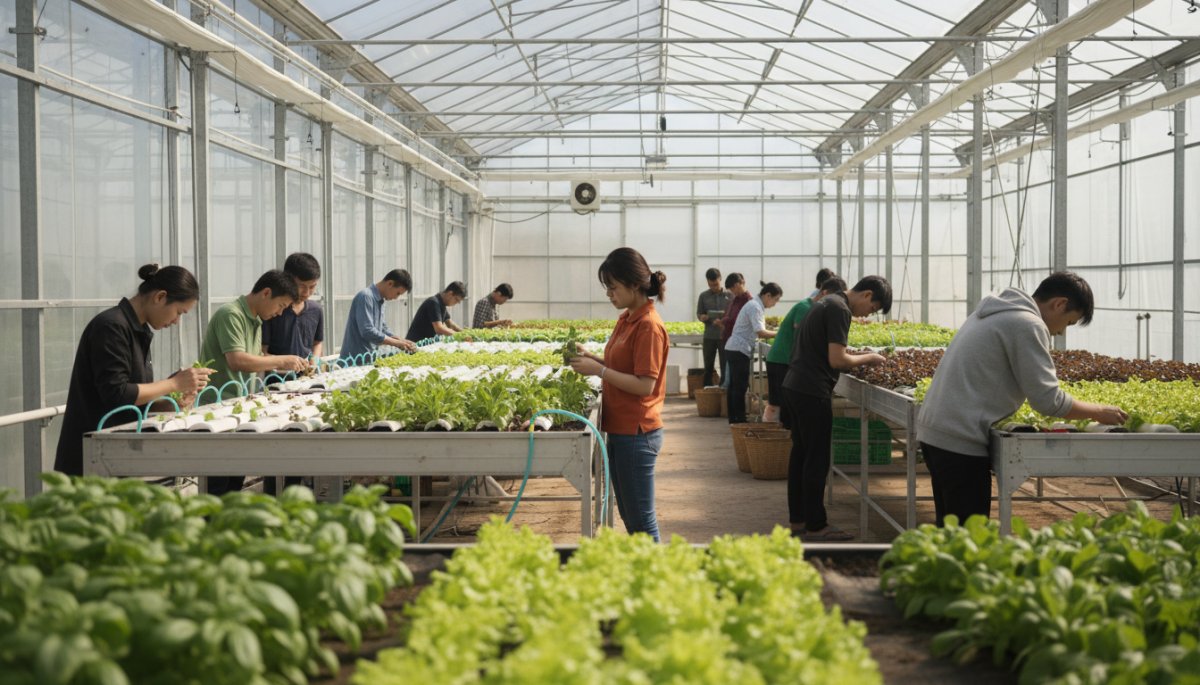
In Lam Dong Province (around Da Lat), greenhouse systems for vegetable growing and automated irrigation systems have been introduced, and in the Mekong Delta, demonstrations of water-saving rice farming through water-management systems are advancing.
If cooperatives take on the role of spreading these smart-agriculture technologies to members, it may be possible to achieve both higher productivity and a lower environmental burden in Vietnamese agriculture. For adoption by smallholders, however, developing low-cost smart-agriculture models that do not presuppose expensive equipment is essential.
Cooperatives will open the future of Vietnamese agriculture
Vietnamese agriculture is at a turning point from quantity to quality.
Not merely increasing output, but raising added value, meeting the strict standards of international markets, and achieving environmentally conscious, sustainable farming: it is extremely difficult for smallholders to tackle this challenge alone.
Through eight core functions, joint purchasing of inputs, joint sales of produce, technical guidance, quality control, improved market access, financial services, logistics infrastructure, and acting as the gateway to government support, agricultural cooperatives fundamentally strengthen the competitiveness of smallholders.
Of course, cooperatives themselves also need to work on challenges such as improving management capacity, ensuring transparency, encouraging participation by the young, and using digital technology. Beyond overcoming these challenges, however, lies a Vietnamese agriculture that supports food demand at home and abroad and competes in world markets.
The cooperative is by no means a new mechanism. Yet it can be seen as one powerful solution to the challenges facing Vietnamese agriculture in the twenty-first century.
If you are in a position connected to Vietnamese agriculture, why not take a fresh look at the potential of cooperatives?