The Current State of Vietnamese Agriculture and Its Turning Point
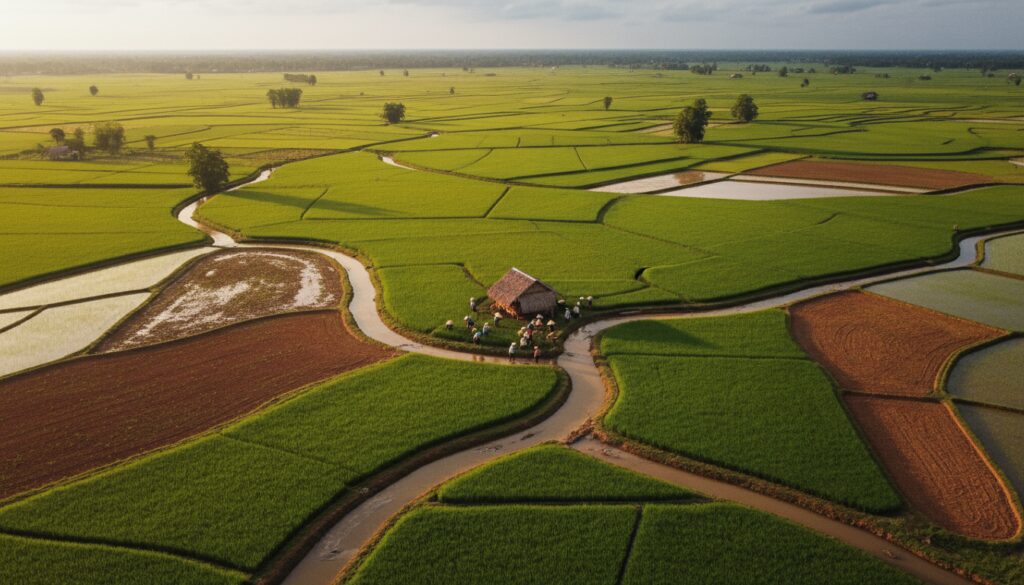
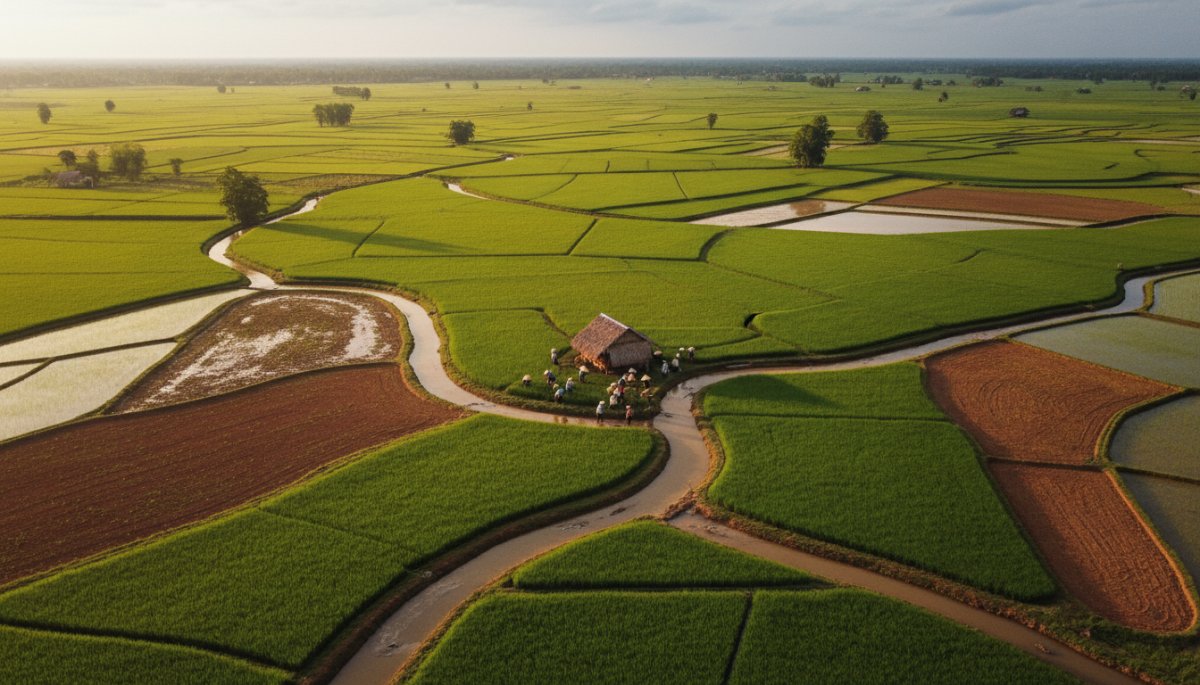
Vietnam, with a population of about 100 million, is Southeast Asia's agricultural power. Agriculture accounts for about 12% of GDP and employs over 40% of the workforce; annual rice production is about 43.5 million tonnes, with export volume ranking second in the world. coffee output ranks second in the world, and Robusta it is the world's largest, for Cashew nuts and black pepper boasts the world's largest production. In 2023, total agriculture, forestry, and fishery export value reached about US$53 billion, accounting for more than 15% of the country's total exports.
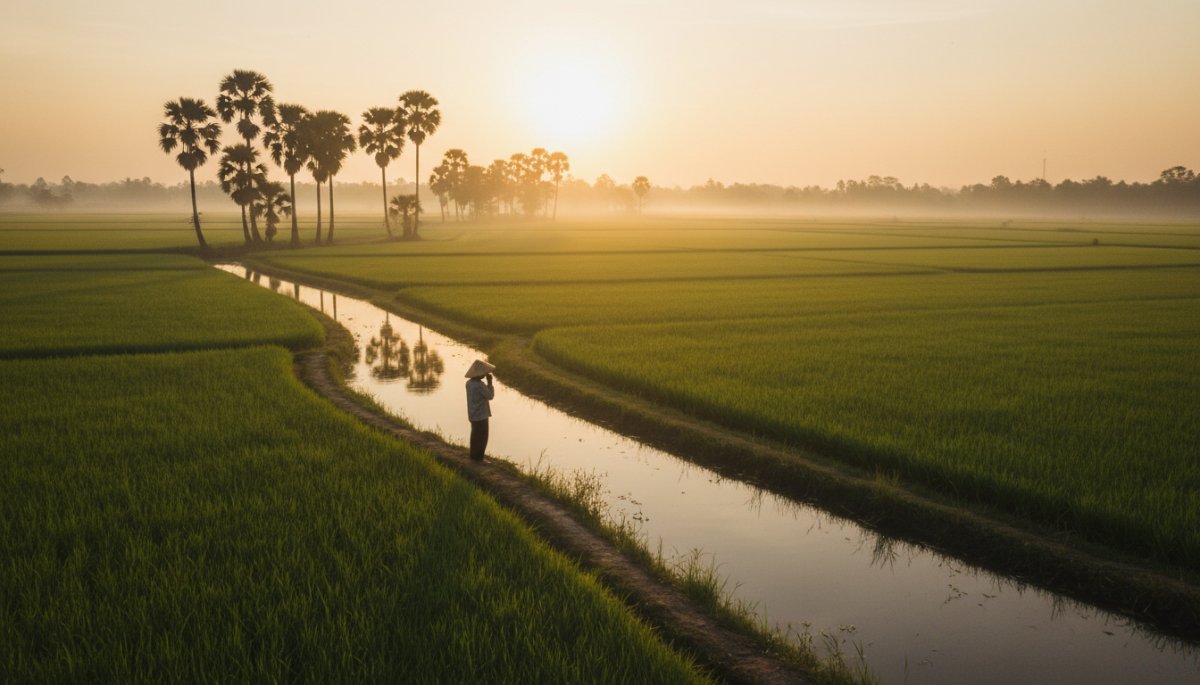
However, behind the quantitative expansion lie serious structural challenges. Soil degradation and water pollution from the excessive use of pesticides and chemical fertilizers, and the problem of residual pesticides, pose a dual challenge: health risks for domestic consumers and compliance with the sanitary standards of export destinations. The average cultivated area per farm is about 0.44 hectares, among the smallest in ASEAN countries, and 97% of all agricultural workers are small and medium-scale farmers. About 57% of agricultural workers are unskilled, and the share aged 50 and over reaches about 43%, so aging is also progressing.
Against this backdrop, the Vietnamese government has set out the "Sustainable Agriculture and Rural Development Strategy to 2030, Vision to 2050" and positioned the shift to low-environmental-impact agriculture as a national priority. The "Japan-ASEAN Green Cooperation Plan," adopted at the Japan-ASEAN Agriculture and Forestry Ministers' Meeting in May 2023, is also supporting this trend.
What Is Eco-Farming? The Essence of Sustainable Agriculture
Eco-farming is a general term for sustainable farming methods that minimize the use of chemical fertilizers and chemical pesticides and make use of natural ecosystems.
Specifically, it includes the use of organic fertilizers, biological pest control, soil management through crop rotation and intercropping, and the efficient use of water resources. It is not merely "farming without pesticides," but a comprehensive approach that achieves long-term stable production while maintaining the health of the entire agricultural ecosystem, including soil, water, and biodiversity.
In Vietnam, the shift from conventional chemical farming to organic and sustainable farming has emerged as a policy issue. Although the Ministry of Agriculture and Rural Development has set the expansion of organic farming as a policy goal, the farmland area with organic certification still remains only a tiny fraction of the whole. However, as major export destinations such as the EU, Japan, and the US tighten their residual-pesticide and sanitary standards year by year, the shift to eco-farming has become an important option.
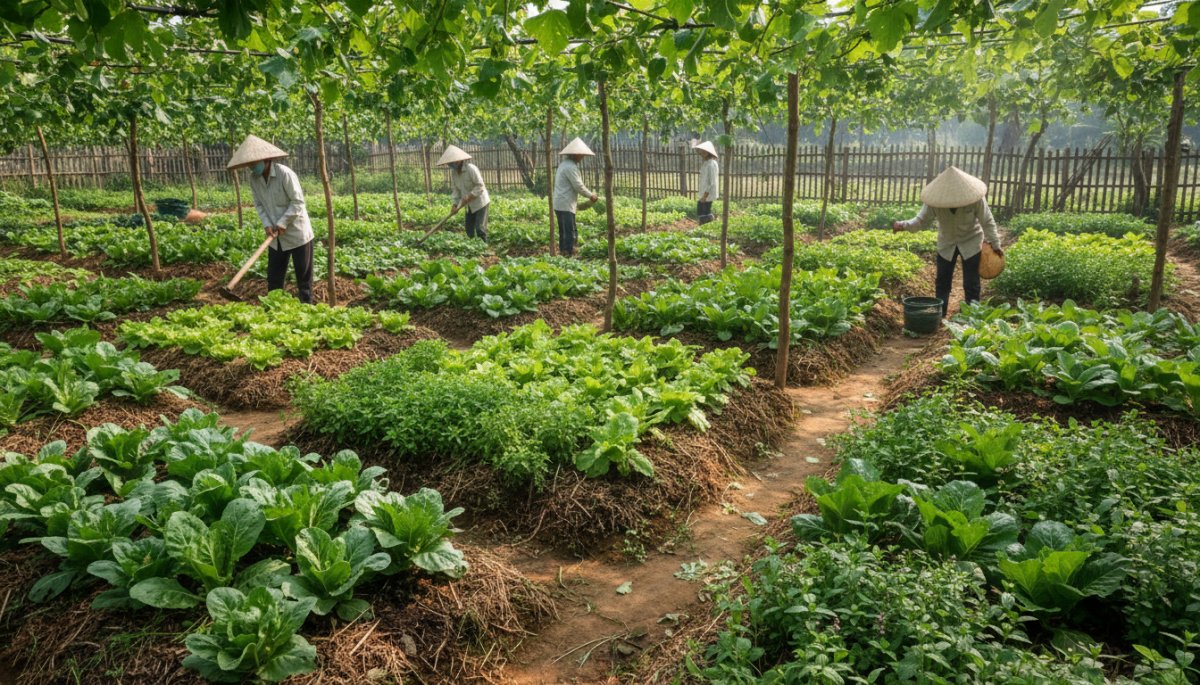
The core of eco-farming lies not in maximizing yield in the short term but in maintaining soil health and productivity over the long term. Farming that relies on chemical fertilizers can upset the soil's microbial balance and fall into a vicious cycle in which the same yield cannot be maintained unless fertilizer input is increased year after year. Eco-farming, on the other hand, aims for economically and environmentally sustainable agriculture by restoring the soil's natural fertility and reducing dependence on external inputs.
Five Practical Benefits Eco-Farming Brings
Benefit 1: Higher Added Value and Increased Earnings
Produce grown by eco-farming tends to trade at a higher market price than conventional products.
In Vietnam, demand for organic vegetables and organic rice is expanding against a backdrop of rising health consciousness. At upscale supermarkets in Ho Chi Minh City and Hanoi, organically certified vegetables are sold at 1.5 to 2 times the price of ordinary products and are favored by wealthy and health-conscious consumers. In export markets too, organic coffee and organic pepper bound for the EU are seen trading at prices 20% to 30% higher than conventional products.
Benefit 2: Reduced Production Costs
The cost of buying chemical fertilizers and pesticides is a large economic burden for small-scale farmers.
In the early stage of switching to eco-farming, preparing organic fertilizers and increased labor time are needed, but over the medium to long term, dependence on external inputs decreases and production costs may be reduced. Organic fertilizers such as compost and green manure can be supplied in-house using on-farm resources and local organic waste, so the cost of buying chemical fertilizers can be held down. In addition, biological pest control and the use of natural predators can also reduce the use of expensive chemical pesticides.
Benefit 3: Restoring Soil Health and Long-Term Productivity
One of the challenges of chemical challenges for Vietnamese agriculture farming is soil degradation.
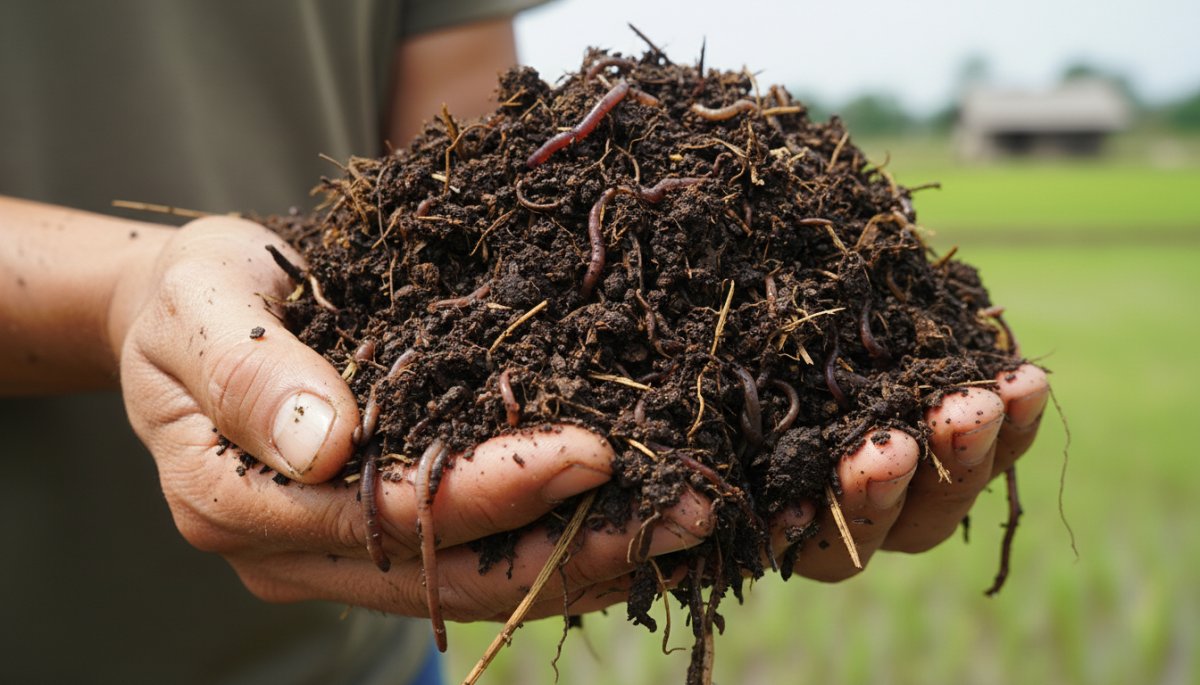
Excessive use of chemical fertilizers can lead to soil acidification and cause a loss of microbial diversity. When soil structure deteriorates, water retention and aeration decline, making it harder for crop roots to grow healthily. Eco-farming improves the soil's physical, chemical, and biological properties through the input of organic matter, aiming to maintain long-term productivity.
Benefit 4: Strengthening Resilience to Climate Change
One of the challenges Vietnamese agriculture faces is climate change.
Sea-level rise, the increasing frequency of abnormal weather, and changes in rainfall patterns are affecting rice cultivation that depends on low-lying delta areas. In the Mekong Delta, the risk of saltwater intrusion and flooding is rising, and drought is also worsening. Soil made healthy through eco-farming has high water retention, making it easier to supply crops with moisture even during droughts. In addition, intercropping and crop rotation that combine diverse crops have a risk-spreading effect compared with single-crop cultivation and may reduce the damage of poor harvests caused by climate change.
Benefit 5: Export Competitiveness Through International Certification
To be competitive in the global market, obtaining internationally recognized organic certification is effective.
Obtaining EU organic certification, USDA organic certification, JAS organic certification, and others makes exports to developed-country markets possible. Vietnam is expanding access to developed-country markets through the CPTPP and the EU-Vietnam FTA, and in particular the entry into force of the EVFTA is phasing out tariffs on coffee, pepper, seafood, and more. Produce with organic certification tends to trade with high added value in these markets.
Source
Policy Research Institute, Ministry of Agriculture, Forestry and Fisheries, "Vietnam's Agriculture, Rice Farming, and Land System"
(November 14, 2023)
Six Steps to Introducing Eco-Farming
Step 1: Analyzing the Current Situation and Setting Goals
The shift to eco-farming begins with a detailed analysis of the current farm operation.
First, accurately grasp the types and amounts of chemical fertilizers and pesticides currently used, the input costs, yields, selling prices, and profit margins. Next, assess the soil's health. Measure soil pH, organic-matter content, microbial activity, water retention, and so on, and identify points that need improvement. Then set goals for after introducing eco-farming. It is important to set concrete, measurable goals, such as "obtain organic certification within three years" or "reduce chemical-fertilizer use by 50%."
At this stage, it is helpful to receive advice from agricultural extension officers, organic-farming specialists, and senior farmers already practicing eco-farming. Across Vietnam there are NGOs and government agencies that support organic farming, from which technical guidance can sometimes be received.
Step 2: Preparing Organic Fertilizer and Improving the Soil
The foundation of eco-farming is healthy soil.
Switching from chemical to organic fertilizer makes use of compost, green manure, livestock manure, crop residues, and the like. Compost is made by fermenting on-farm organic waste and livestock manure obtained from local livestock farmers. Properly fermented compost kills pathogens and weed seeds and becomes a readily usable nutrient source for crops. By growing green-manure crops (such as legumes) and plowing them into the soil before flowering, nitrogen fixation and the supply of organic matter can be carried out at the same time.
Soil improvement takes time. It usually takes about two to three years for soil worn out by chemical farming to recover to a healthy state. This period is called the "transition period," during which yields may temporarily decline. However, once soil health recovers, stable yields can be expected over the long term.
Step 3: Transforming Pest and Disease Management
Pest and disease management that does not rely on chemical pesticides is an important element of eco-farming.
Integrated pest management (IPM), combining biological, physical, and cultural controls, is the basis. In biological control, the natural enemies of pests (such as ladybugs and parasitic wasps) are protected and multiplied, making use of natural predator-prey relationships. In physical control, insect nets, sticky traps, and manual pest removal are used. In cultural control, selecting pest- and disease-resistant varieties, setting appropriate cultivation timing, and preventing the buildup of pathogens through crop rotation are effective.
Among Vietnam's organic farmers, there are also examples of making and using plant-derived natural pesticides such as neem oil, chili extract, and garlic extract. These are milder in effect than chemical pesticides, but they place less burden on the environment and raise fewer concerns about residues.

Step 4: Optimizing Water Management and Irrigation
The efficient use of water resources is an important element of sustainable agriculture.
In Vietnam's Mekong Delta, water shortages in the dry season and flooding in the rainy season are challenges. Introducing water-saving irrigation technologies such as drip irrigation and sprinkler irrigation can reduce water use. In addition, by setting up rainwater-storage systems to store the abundant rainfall of the rainy season for use in the dry season, the seasonal variability of water resources can be addressed.
In rice cultivation, alternate wetting and drying (AWD) is effective. Rather than keeping the paddy field constantly flooded, this is a method of draining the water for a set period to dry the soil. It not only reduces water use but also suppresses methane generation, contributing to reductions in greenhouse-gas emissions.
Step 5: Starting the Certification Process
To sell as organic produce in international markets, official organic certification is needed.
In Vietnam, there are the "Vietnam organic agriculture standard (VietGAP)" set by the Ministry of Agriculture and Rural Development, as well as the internationally recognized EU organic certification, USDA organic certification, JAS organic certification, and others. Obtaining certification usually requires a transition period of two to three years, during which no chemical fertilizers or pesticides may be used at all, and cultivation must follow organic-farming standards.
In the annual inspection by the certification body, cultivation records, input-material records, and the securing of traceability are checked. For small-scale farmers, the cost and complex procedures of obtaining certification can be a barrier, but by using group certification (a scheme in which multiple farmers jointly obtain certification), the cost and effort can be spread out.
Step 6: Developing Sales Channels and Branding
Even if you produce high-quality organic produce, you cannot realize its added value without appropriate sales channels.
In the domestic market, the main sales channels are upscale supermarkets, specialty organic-food stores, and farmers' markets in Ho Chi Minh City and Hanoi. Major retail chains such as Aeon and Lotte Mart are expanding their handling of organic produce and offering contract-farming opportunities. In export markets, the main targets are the EU, Japan, the US, and South Korea. Networks with overseas buyers are built through tie-ups with exporters and trading companies and participation in international trade fairs.
Branding is also important. Through storytelling that makes use of a region's characteristics, such as "organic rice from the Mekong Delta" or "organic vegetables from the Da Lat highlands," you can win consumers' empathy and trust. Direct marketing using social media and e-commerce platforms is also an effective means of reaching younger consumers.
Source
Asahi Shimbun, "Agriculture Changing with Climate Change: A Japanese Challenge Supporting Vietnam's Farming Villages"
(2023)
New Possibilities Brought by Cooperation with Japan
Agricultural cooperation between Japan and ASEAN has entered a new stage in recent years.
The "Japan-ASEAN Green Cooperation Plan," adopted at the Japan-ASEAN Agriculture and Forestry Ministers' Meeting in May 2023, is a comprehensive cooperation framework for building a sustainable agriculture and food system in the Asian monsoon region. Japan positions ASEAN as an important partner in the international rollout of the environmental-impact-reduction technologies set out in its "Strategy for Sustainable Food Systems (MIDORI)."
Specifically, the pillars are the transfer of precision-agriculture technology, support for promoting organic farming, the introduction of paddy-field management technology to reduce greenhouse-gas emissions, and support for upgrading agricultural value chains. Japan's strength lies in having technology and know-how suited to small and medium-scale farmers. Unlike smart-agriculture solutions premised on large-scale agriculture, Japanese agricultural technology may fit the realities of Vietnam's small-scale farmers.
Summary: The Shift to Sustainable Agriculture
Vietnamese agriculture now stands at a major turning point.
From an era of quantitative expansion to an era that prioritizes quality, safety, and environmental sustainability. Eco-farming is a means of environmental protection and, at the same time, a strategy for improving farmers' earnings, strengthening international competitiveness, adapting to climate change, and passing sustainable agriculture on to the next generation.
Introduction requires an initial investment and a learning period, but over the medium to long term it may bring economic, environmental, and social returns. Obtaining international certification opens access to developed-country markets, and by trading as high-value-added produce, farmers'raising incomes can be expected. Healthy soil guarantees long-term productivity and allows rich farmland to be passed on to the next generation.
The shift to eco-farming begins with the decision of each individual farmer and may eventually become a current that transforms the agriculture of the entire country. Building sustainable agriculture is a challenge to protect Vietnam's future, and the future of the planet.