
The current state of Southeast Asian agriculture and the need for greater efficiency
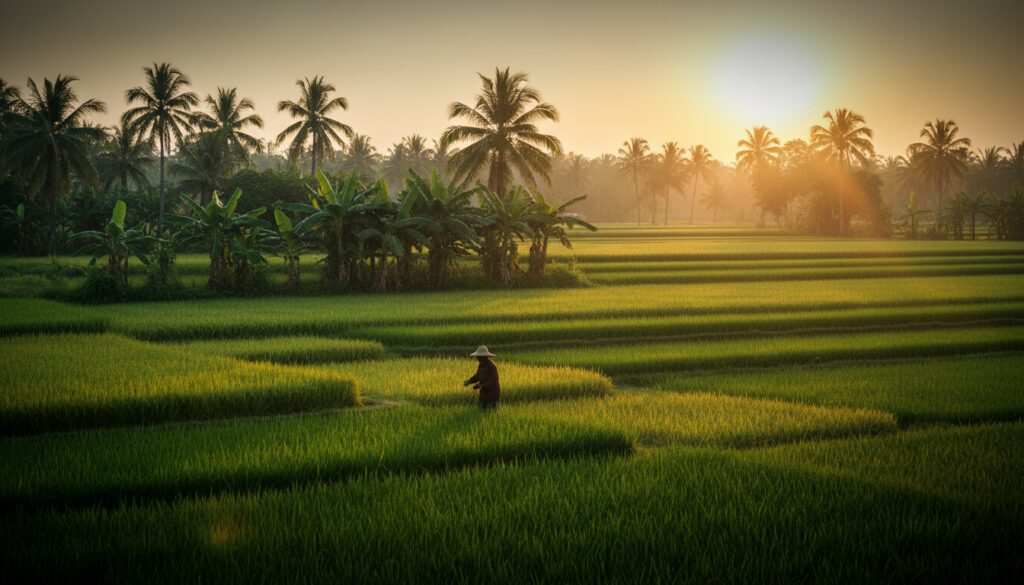
As one of the world's leading agricultural regions, Southeast Asia has nurtured several thousand years of farming civilization against the backdrop of a tropical monsoon climate and fertile delta regions.
Vietnam is an agricultural power of about 100 million people, with agriculture accounting for about 12% of GDP and more than 40% of the labor force. Annual rice output is about 43.5 million tonnes, with export volume ranking second in the world; coffee output ranks second in the world after Brazil, and for Robusta it boasts the largest production scale in the world.
Yet behind this abundance of output lie serious structural challenges. The average cultivated area per farm is about 0.44 hectares, among the smallest in ASEAN countries, and 97% of all agricultural workers are small- and medium-scale farmers. About 57% of agricultural workers are unskilled, and the share aged 50 or older reaches about 43%, making the problems of aging and skills succession increasingly apparent.
To resolve the triple burden of low added value, underdeveloped cold chains, and the low productivity of smallholder farmers, and to achieve a sustainable agricultural economy, greater efficiency is essential. This article explains nine efficiency methods that can be put into practice in the field in Southeast Asia, from the perspectives of smart farming technology, improving work processes, and optimizing supply chains.
[Method 1] Introducing environmental monitoring with IoT sensors
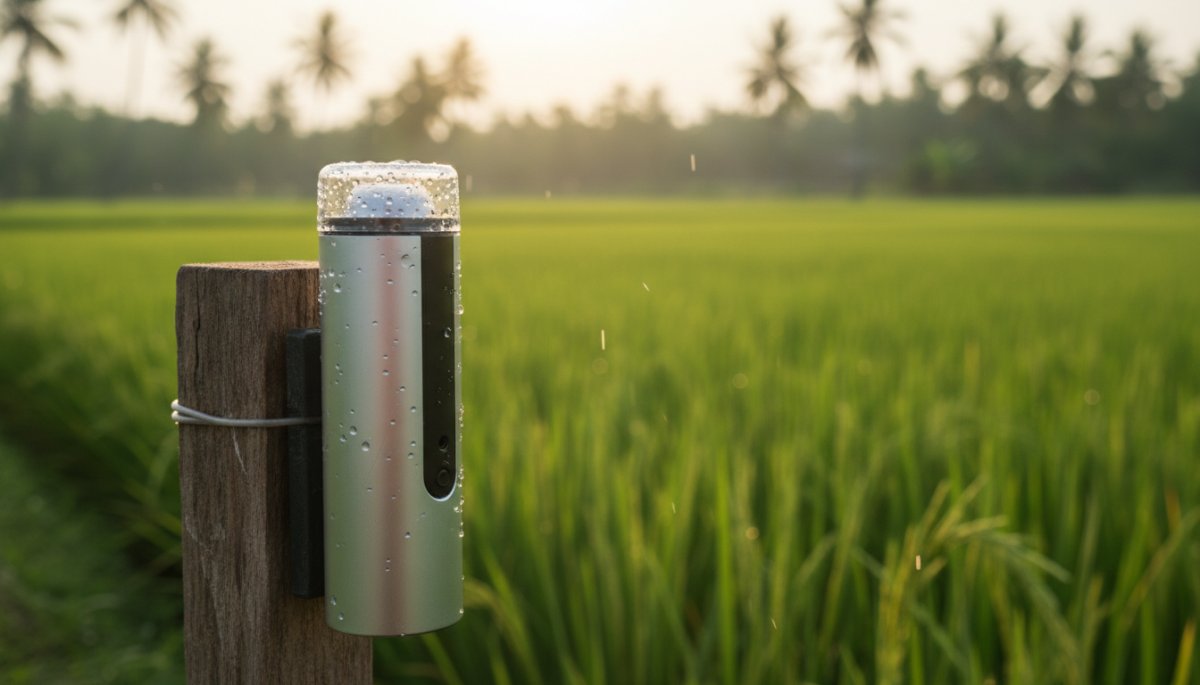
The first step in smart farming is environmental monitoring using IoT sensors. By measuring soil moisture, temperature, humidity, pH, and other factors in real time and managing cultivation based on the data, wasteful use of water and fertilizer can be reduced.
The Vietnamese government has set out its 'Strategy for Sustainable Agriculture and Rural Development to 2030, with a Vision to 2050,' positioning the introduction of smart farming as a national priority. In the Mekong Delta in particular, demonstrations of water-saving rice cultivation through the introduction of water management systems are underway.
There are also reported cases where optimizing irrigation timing based on sensor data, rather than relying on experience and intuition as before, cut water use by about 30% while maintaining yields. Initial investment is a challenge, but low-cost sensor systems are also being developed, and the options that smallholder farmers can adopt are gradually increasing.
Technical cooperation by Japanese companies is also active, with demonstration projects for introducing small- and medium-scale greenhouses and remote cultivation support solutions being rolled out.
[Method 2] Pesticide spraying by drone and pest forecasting
Drone technology plays a revolutionary role in making agriculture more efficient. Compared with conventional manual spraying or ground-based machinery, drones can cover vast farmland in a short time, and this labor shortages directly helps resolve it.
Around Bangkok in Thailand, the adoption of smart farming is advancing, and precision agriculture and the use of drones are spreading. By combining cameras mounted on drones with AI image analysis, pests and diseases can be detected early.
Because changes in the color and shape of crop leaves can be detected and dealt with before damage spreads, it is possible to both reduce pesticide use and maintain yields. In Lam Dong Province, Vietnam, drone use combined with greenhouse systems for vegetable cultivation has been demonstrated, with cases achieving quality improvements while cutting pesticide use by about 40% compared with conventional methods.
[Method 3] Optimizing cultivation plans using AI
AI combines vast amounts of past data with weather forecasts to propose optimal cultivation plans. By having AI support complex decisions, such as which crops to plant and when, when to harvest, and the best timing for applying fertilizer and water, even inexperienced farmers can achieve high productivity.
In Southeast Asia, the impact of climate change is intensifying, and the increasing frequency of extreme weather and changes in rainfall patterns are hitting agricultural production directly. Flood-tolerant varieties such as 'Sub1' developed by the International Rice Research Institute (IRRI) and salt-tolerant varieties have spread widely across Vietnam, Bangladesh, India, and other areas, but there are also structural risks that variety improvement alone cannot address.
Optimizing cultivation plans with AI becomes a powerful tool for minimizing risk while maximizing returns in such a highly uncertain environment.

[Method 4] Improving productivity through automated hydroponics
As a cultivation method that grows crops in a nutrient solution without using soil, hydroponics is drawing attention in areas near cities in Southeast Asia. It is effective as a means of producing high-value crops on limited land.
Automated hydroponic systems automatically control the concentration, temperature, and light levels of the nutrient solution, enabling stable production throughout the year. Lam Dong Province in Vietnam is a leading region for smart farming, where greenhouse systems for vegetable cultivation and automated irrigation systems have been introduced.
At such facilities, there are reported cases where yields per unit area reached several times those of conventional open-field cultivation. Although the initial investment is large, because safe, high-quality vegetables can be supplied stably to high-income urban consumers, profitability is high and the payback period may also be shortened.
[Method 5] Standardizing and documenting work processes
The basis of greater efficiency lies in standardizing work processes. At farms in Southeast Asia, about 57% of agricultural workers are unskilled, and passing on skills is a major challenge.
By documenting work procedures and building a system where anyone can maintain a certain level of quality, labor productivity can be greatly improved. Large agricultural companies in Thailand have finely standardized each step from sowing to harvest, achieving shorter working times and more uniform quality.
In Thailand, where the average cultivated area per farm is about 3 hectares, larger than in Vietnam, its commercial history of farming history is long, and such initiatives have advanced. Even smallholder farmers, cooperatives can achieve similar effects by sharing work standards at that level.
[Method 6] Resolving labor shortages through mechanization
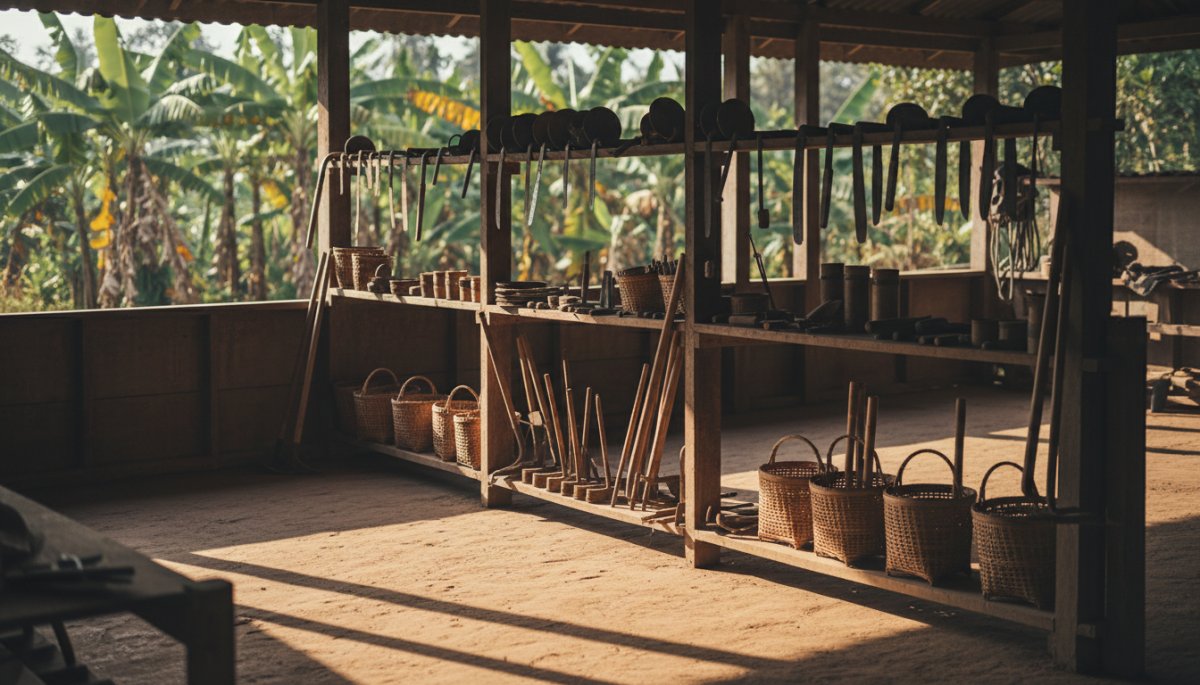
As young people continue to leave for cities, securing people to carry on farming has become an urgent challenge. Mechanization is labor shortages the most direct means of resolving it.
By introducing small tractors, rice transplanters, harvesters, and the like, even a small number of people can manage large farmland. In Vietnam, agricultural workers aged 50 or older make up about 43%, so relief from heavy labor is an important factor supporting continued farming by elderly farmers.
However, 97% of all agricultural workers in Vietnam are small- and medium-scale farmers, making it difficult to purchase expensive machinery individually. Therefore, cooperatives and sharing machinery at the community level, together with the use of rental services, become effective options.
In Cambodia, the building of agricultural value chains using international support is underway, such as the World Bank-supported 'Cambodia Agricultural Sector Diversification Project,' which also includes support for mechanization.
[Method 7] Reducing post-harvest losses by developing cold chains
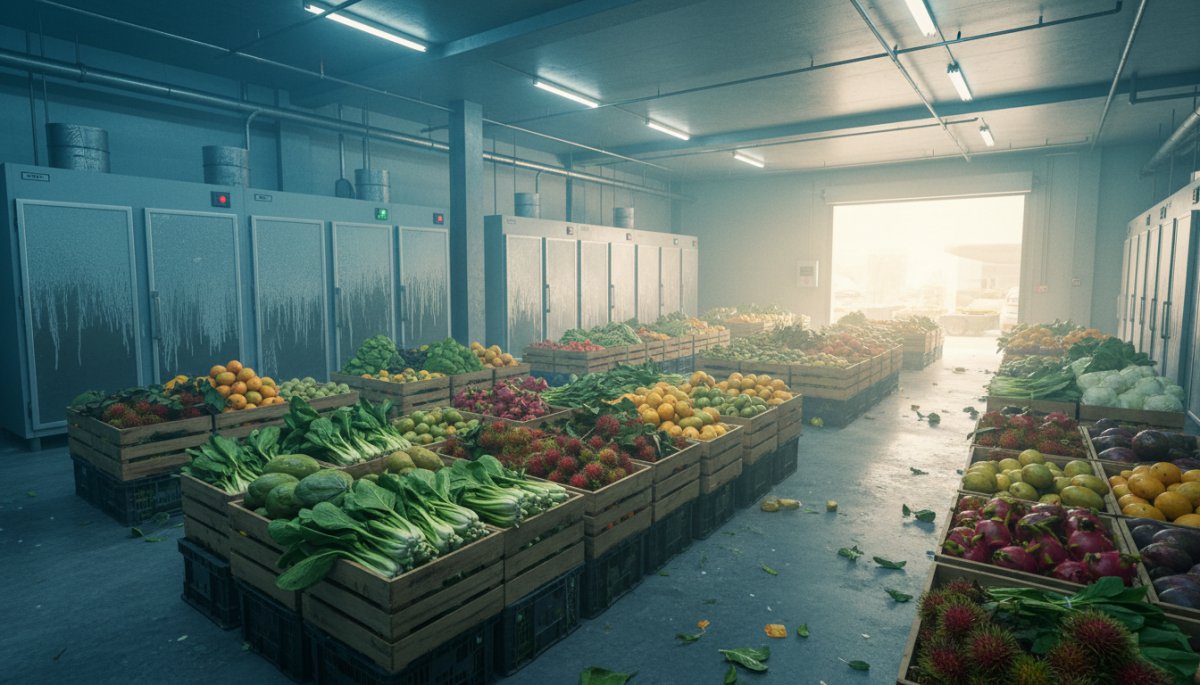
One major challenge for Southeast Asian agriculture is the underdevelopment of cold chains. There are many cases where harvested produce deteriorates and is discarded because it is not properly stored and transported, and post-harvest losses significantly squeeze the profitability of agriculture as a whole.
Particularly for perishable items such as fruit and seafood, a shortage of refrigeration and freezing facilities is hindering improvements in export competitiveness. Vietnam's Seafood exports value reaches about US$9 billion per year, with Japan, the United States, and the EU as the main markets; but as cold chains develop, further export expansion can be expected.
Investment by governments and private companies in refrigerated warehouses and freezer trucks is advancing, and even at the farm level, the adoption of simple refrigeration equipment is spreading. Reducing post-harvest losses is a more efficient way to increase output than newly expanding farmland.
[Method 8] Adding high value through agricultural processing
In Southeast Asian agriculture's shift 'from quantity to quality,' processing agricultural products and adding high value have become central themes. The bulk of agricultural exports are unprocessed primary commodities, and exports of products whose value has been raised through processing remain limited.
Take coffee: despite being the world's second-largest producer, a high proportion is exported as green beans, and its brand value as a roasted, processed final product lags behind that of rival countries such as Colombia and Ethiopia.
Primary processing techniques such as drying and powdering dramatically improve shelf life and also reduce logistics costs. Dried vegetables, dried fruit, and freeze-dried products are seeing growing demand in developed-country markets amid rising health consciousness, and can be a powerful means of delivering Southeast Asian produce to developed countries with added value.
The Vietnamese government has set a goal of entering the world's top 15 in agriculture and food processing by 2030, promoting a policy built on three pillars: attracting investment in processing facilities, building out the cold chain, and strengthening branding.
[Method 9] Optimizing supply chains through international cooperation and the use of FTAs
The push for greater efficiency in Southeast Asian agriculture cannot be discussed without international cooperation. The 'Japan-ASEAN Midori Cooperation Plan,' adopted at the Japan-ASEAN agriculture and forestry ministers' meeting in May 2023, is a comprehensive cooperation framework aimed at building sustainable agriculture and food systems in the Asian monsoon region.
Japan positions ASEAN as its most important partner for the international rollout of the environmental-impact-reducing technologies set out in its 'Strategy for Sustainable Food Systems (MIDORI).' Specifically, the pillars are the transfer of precision agriculture technology, support for promoting organic farming, the introduction of paddy-field management techniques to reduce greenhouse gas emissions, and support for upgrading agricultural value chains.
Japan's strength lies in having technology and know-how suited to small- and medium-scale farmers, which is considered highly likely to fit the realities of Southeast Asia's smallholder farmers. In addition, the elimination of intra-regional tariffs under the ASEAN Free Trade Area (AFTA) has invigorated the intra-regional distribution of agricultural products.
Through the CPTPP and the EU-Vietnam FTA (EVFTA), Vietnam has greatly expanded access to developed-country markets, with tariffs on coffee, pepper, seafood, and other products being phased out, improving its competitiveness in the EU market.
Source
Ministry of Agriculture, Forestry and Fisheries, 'Changes in the Situation Surrounding Food, Agriculture and Rural Areas'
(December 2022); compiled from this source.
Summary: The future that greater efficiency in Southeast Asian agriculture will bring
Southeast Asian agriculture holds enormous potential and serious challenges at the same time. Although it is one of the world's leading regions for agricultural exports, its structural problems are wide-ranging: low added value, vulnerability to climate change, stagnant productivity among smallholder farmers, and underdeveloped cold chains.
But conversely, the room for improvement is itself room for growth. The nine practical methods introduced in this article are all paths to greater efficiency that are being demonstrated in the field across Southeast Asia.
Smart farming technologies such as IoT sensors, drones, AI, and automated hydroponics solve labor shortages and productivity improvement at the same time. Standardizing work processes, mechanization, and developing cold chains strengthen the foundations of farm management. And adding high value through agricultural processing, together with the use of international cooperation, raises competitiveness in global markets.
Led by Vietnam, the countries of Southeast Asia are accelerating a shift in mindset from "agricultural production" to an "agricultural economy." The transition from an era of pursuing quantity to one that prioritizes quality, safety, environmental sustainability, and brand value also means a major business opportunity for companies in developed countries, including Japan.
The process by which Southeast Asian agriculture advances and becomes deeply embedded in global value chains will become an essential story in any account of the twenty-first-century Asian economy. Pursuing efficiency is not mere cost-cutting; it is the key to opening up a sustainable future for agriculture.
You May Also Like
- What is the automation of Southeast Asian agriculture? Eight latest technologies that solve labor shortages, and how to adopt them
- Why Is AI Adoption Advancing in Southeast Asian Agriculture? 7 Methods for Boosting Productivity
- Southeast Asia Agriculture Trends 2026 | 10 Key Developments and Business Opportunities to Watch