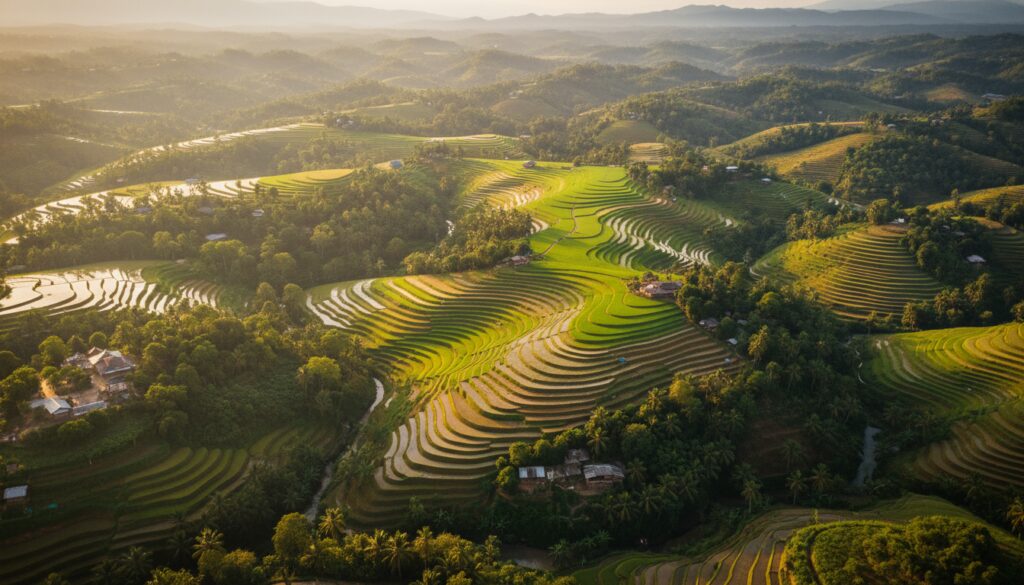
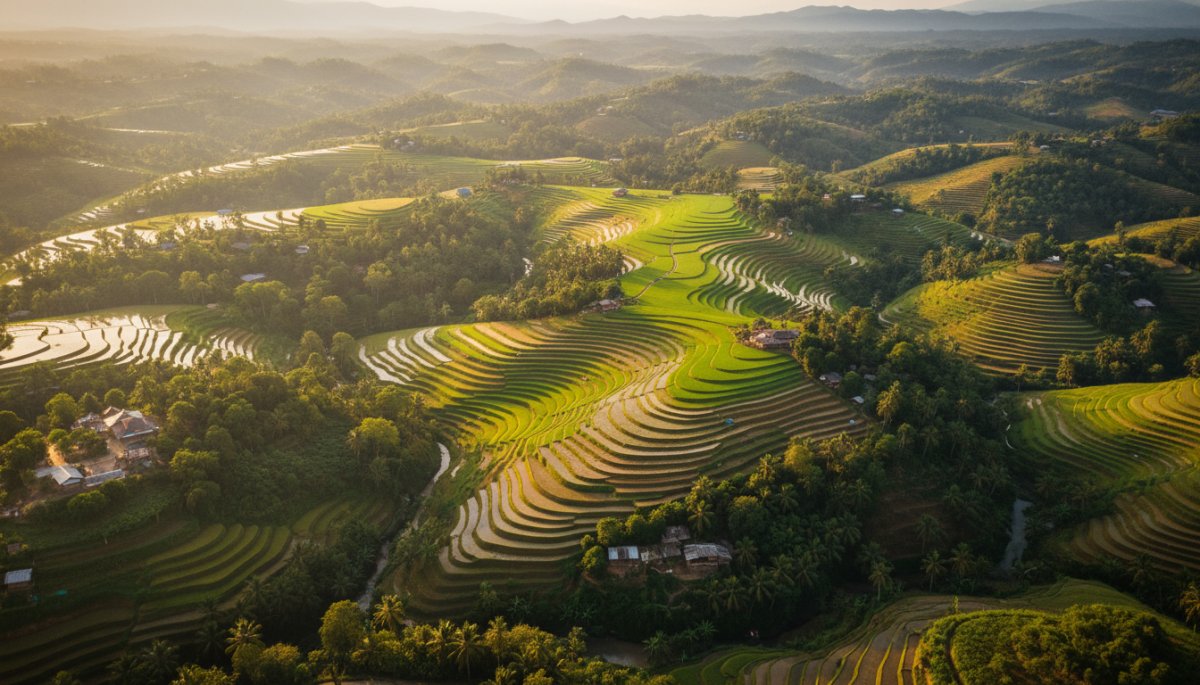
Why the Southeast Asian agriculture business is drawing attention now
In 2026, the Southeast Asian agricultural market is reaching a major turning point.
This region, home to a population of about 670 million, is undergoing rapid economic growth and urbanization, and food demand is expanding explosively. The three countries of Vietnam, Thailand, and Indonesia in particular play an important role in the world's food supply, backed by their high agricultural productivity and export competitiveness.
At the same time, agriculture in this region faces structural challenges. Small-scale farmers make up the majority, processing infrastructure is lacking, and a price-setting structure dependent on middlemen hampers the improvement of farmers' incomes. But it is precisely this "challenge" that is a major business opportunity for Japanese companies.
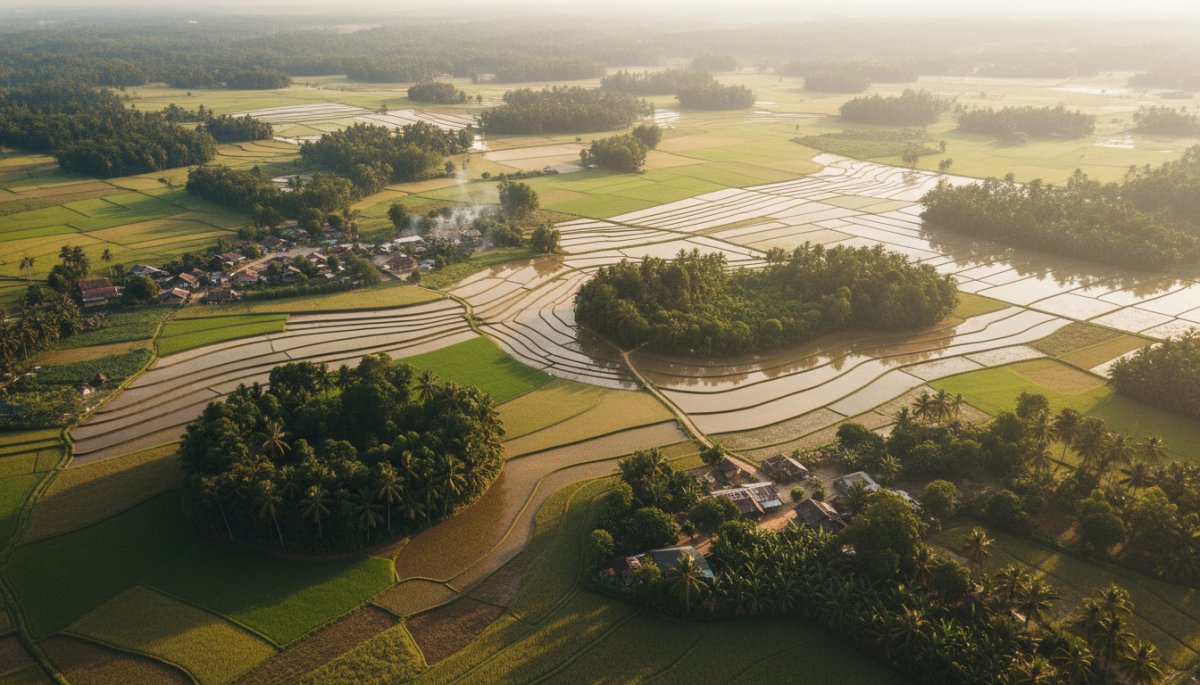
The structure and potential of Vietnamese agriculture
An export power supported by small-scale farmers
Vietnam is one of Southeast Asia's leading agricultural countries, with a population of about 100 million.
Agriculture, forestry, and fisheries account for around 12% of GDP, but on an employment basis about 30% still work in agriculture-related jobs, so agriculture can be said to be the very foundation of society. The 1986 Doi Moi policy economic opening, through the individual allocation of land-use rights and the introduction of a market economy, caused productivity to surge.
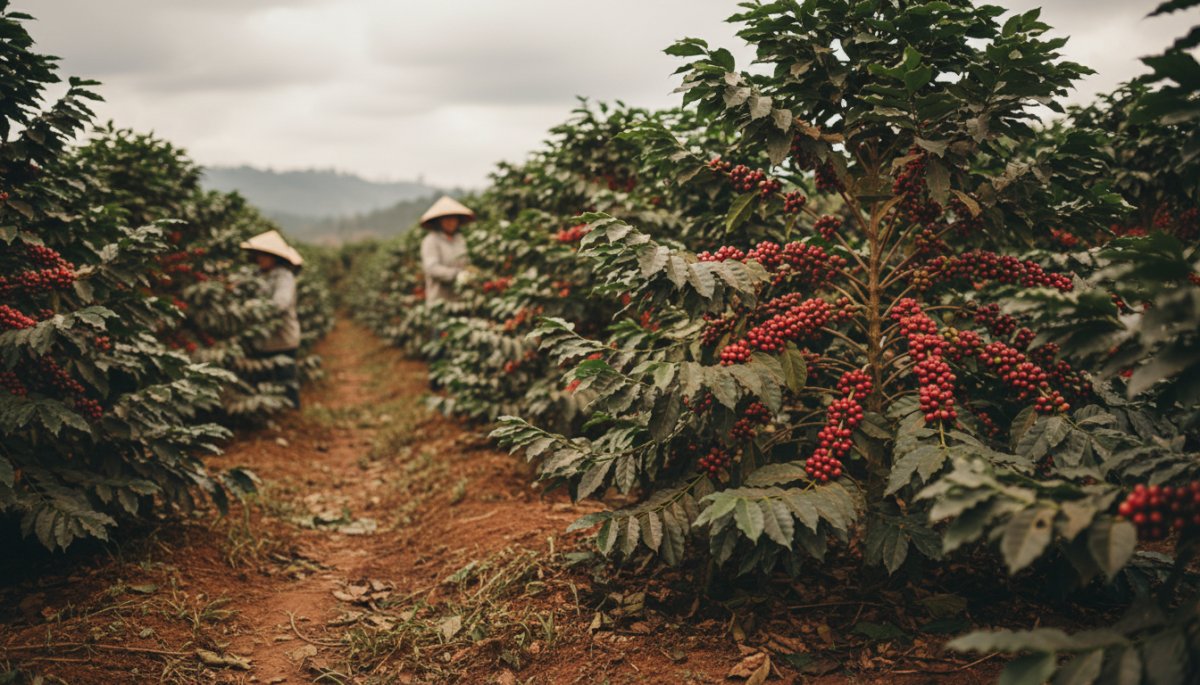
Since the 1990s, rice export have placed the country among the world's leaders, followed by coffee, pepper, Cashew nuts, seafood, and other items, which have grown into major export products. Coffee in particular boasts the world's second-largest export volume, most of which is Robusta of organic jasmine rice.
Challenges created by an extremely small-scale farm structure
The greatest feature of Vietnamese agriculture lies in its extremely small-scale farming structure.
Most farms have an average cultivated area of less than 1 ha, and many farmers hold only around 0.3 to 0.5 ha. This leads to large variation in quality and makes standardization and price negotiation difficult. Because small-scale farmers are scattered, collectors (brokers) hold the power to set prices, and farmers have almost no bargaining power.
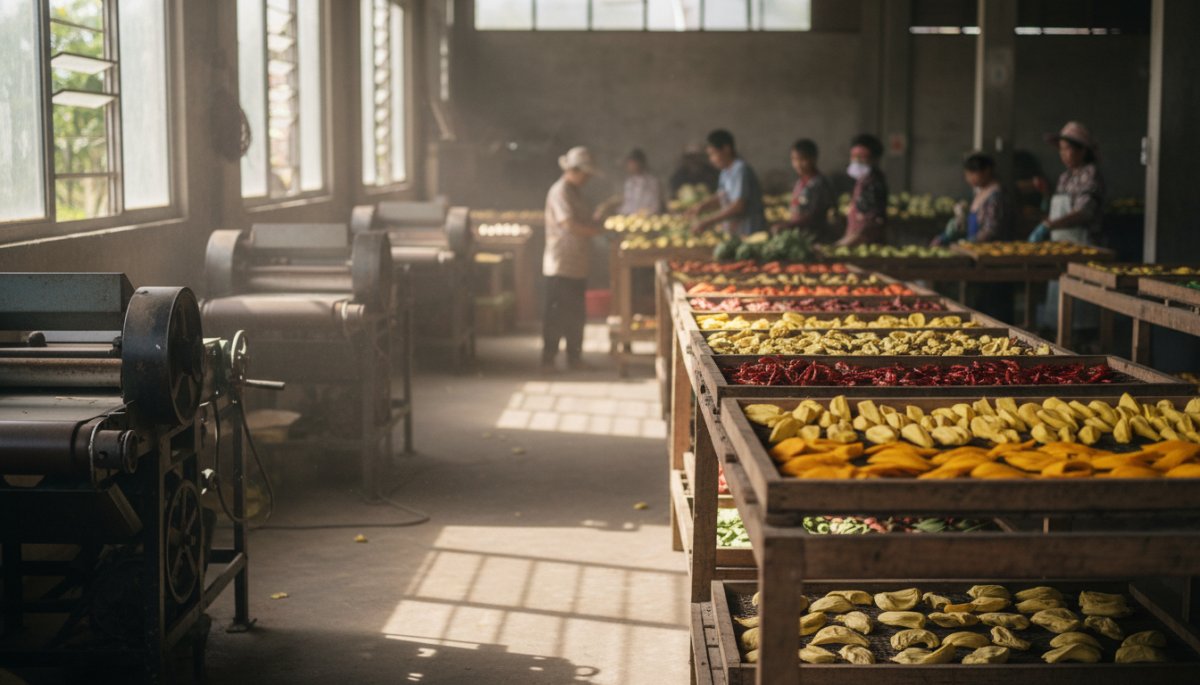
Organized aggregation, like Japan's agricultural-cooperative model, is weak, making it a structure in which farmers' incomes are hard to raise. Processing infrastructure is also limited, and secondary processing such as drying, grinding, and extraction is still developing. As a result, large amounts of off-spec produce and surplus crops are generated.
Clear crop differentiation by region
In Vietnam, crops are clearly differentiated by region.
The Mekong Delta in the south is the country's largest granary, accounting for about half of Vietnam's rice output and nearly 90% of its export rice. The Mekong River's alluvial soil and abundant water allow two to three crops a year, giving it some of the world's highest land productivity. Here, in addition to rice, tropical fruit trees such as coconut, mango, and dragon fruit, as well as freshwater fish and shrimp farming are also flourishing.
In recent years, salt damage has made rice monoculture difficult, and mixed operations such as "rice plus shrimp" and conversion to fruit trees are increasing. The Red River Delta in the north is a suburban-type agricultural area including the capital Hanoi, centered on intensive cultivation of leafy vegetables and fruit-vegetables in addition to rice.
The Central Highlands (Dak Lak province and others) are the core region for export crops, the main production area for coffee, black pepper, and cashew nuts. The volcanic soil and the climate at an altitude of 500 to 800 m suit these crops. However, dependence on single crops is strong, carrying a vulnerability to the direct impact of international prices and droughts.
Aquaculture as a strategic industry
Alongside agriculture, aquaculture is one of Vietnam's national strategic industries.
In the Mekong Delta, shrimp farming and pangasius (catfish) farming are carried out on a large scale, forming a pillar of exports to Japan, the EU, and the United States. A value chain linked to frozen-processing plants has been built, and a model of earning foreign currency through "production plus simple processing" has been established.
However, here too an export model centered on primary commodities continues, and in many cases the added value is captured on the overseas side.
Structural challenges and business opportunities in Southeast Asian agriculture
Dependence on middlemen and the lack of bargaining power
The biggest structural challenge in Southeast Asian agriculture is dependence on middlemen.
Because small-scale farmers are scattered, collectors (brokers) hold the power to set prices, and farmers have almost no bargaining power. This structure is the biggest factor hampering the improvement of farmers' incomes. Organized aggregation like Japan's agricultural-cooperative model is weak, and farmers have limited means to access the market directly.
The opportunity created by a shortage of processing infrastructure
The limited processing infrastructure is also a major challenge.
Secondary processing such as drying, grinding, and extraction is still developing, which is why large amounts of off-spec produce and surplus crops are generated. This "weakness in processing" is a major business opportunity for Japanese companies. There is still ample room left for development into dried vegetables, fruit powders, extract materials, functional ingredients, and the like.
Environmental change and adaptation strategy
On the environmental front, salt damage in the Mekong Delta is worsening.
Due to rising sea levels and the effects of upstream dams, saltwater pushes inland during the dry season, and the area where rice farming is impossible is increasing. As a result, structural changes are advancing, such as a shift to salt-tolerant varieties, conversion to fruit trees, conversion to aquaculture, and increased dependence on groundwater. Adapting to this environmental change requires new agricultural technologies and solutions, creating business opportunities.
The need for and potential of adopting agritech
The budding of smart agriculture
In recent years, the adoption of smart agriculture has begun in Southeast Asia.
Against the backdrop of tighter regulations in destination countries, the acquisition of international certifications such as GlobalG.A.P., residual-pesticide management, and traceability compliance are advancing. The adoption of smart agriculture, such as drone-based pest control and IoT irrigation, has also begun on some large farms, but its spread is limited, and the vast majority of small-scale farmers still rely on labor-intensive farming.
The need for solutions aimed at small-scale farmers
Agritech The biggest challenge in adoption is spreading it to small-scale farmers.
Smart-agriculture technologies that require expensive capital investment are difficult to adopt for small-scale farmers with only around 0.3 to 0.5 ha. For this reason, new business models suited to small-scale farmers are needed, such as low-cost, adoptable solutions, sharing models, and subscription-type services.
Mechanisms like custom hiring (rental services for agricultural machinery) have succeeded in places such as India and have the potential to be rolled out in Southeast Asia too.
The opportunity to expand exports and entry strategy
From primary commodities to high-value-added products
The biggest feature of Southeast Asian agriculture is an export model centered on primary commodities.
Rice, coffee, pepper, seafood, and most others are exported as raw materials or in a simply processed state, and in many cases the added value is captured on the overseas side. This current state of "stopping at primary commodities" is a structure that pairs very well with the Japanese-style processing and high-value-added model.
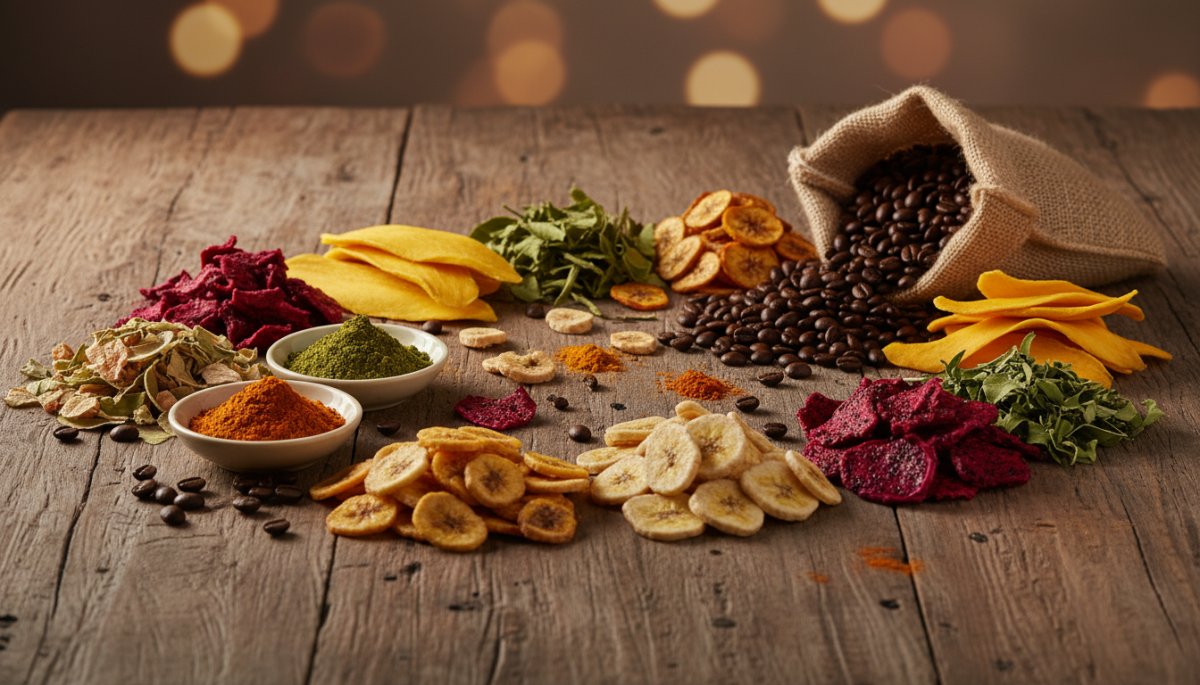
There is still ample room left for development into dried vegetables, fruit powders, extract materials, functional ingredients, and the like. By making use of the processing technology, quality-control know-how, and marketing capability that Japanese companies possess, it is possible to turn Southeast Asia's abundant produce into high-value-added products and roll them out to the global market.
Compatibility with the Japanese market
Southeast Asian produce is very well suited to the Japanese market.
It has high raw-material supply capacity in fruit, coffee, spices, and the like; weak processing; ample room for drying, grinding, and conversion into raw materials; and large amounts of off-spec produce. For Japanese food manufacturers and ingredient trading companies, Southeast Asia is attractive not only as a stable source of raw materials but also as a base for creating added value through local processing.
Developing a business to support small-scale farmers
A model for raising farmers' incomes
The business of supporting small-scale farmers is a field that can combine social significance with commercial viability.
In Southeast Asia, because small-scale farmers are scattered, collectors (brokers) hold the power to set prices, and farmers have almost no bargaining power. To change this structure, it is necessary to organize farmers and build mechanisms that let them access the market directly.
The agricultural-cooperative-model know-how, contract-farming mechanisms, and quality-control technology that Japanese companies possess can be put to use in supporting small-scale farmers in Southeast Asia. By contracting directly with farmers, providing technical guidance, and guaranteeing stable purchase prices, it is possible to raise farmers' incomes and secure a stable raw-material supply at the same time.
The potential of financial and information services
Financial and information services aimed at small-scale farmers also hold great potential.
Southeast Asia's small-scale farmers have limited means of raising funds and in many cases have no choice but to rely on high-interest informal finance. Lending services for small-scale farmers that use fintech are growing rapidly in emerging Asian economies. Services that deliver weather information, market-price information, and cultivation-technique information via smartphone also support farmers' decision-making and contribute to higher earnings.
Source
Mitsui & Co. Global Strategic Studies Institute, "Business Opportunities Opened Up by Fintech: The Potential of Finance for Small and Micro Enterprises in Emerging Asian Economies"
Compiled from the May 2022 edition
Concrete investment strategy for 2026
Priorities among Vietnam, Thailand, and Indonesia
In considering an investment strategy for 2026, the three countries of Vietnam, Thailand, and Indonesia are high priorities.
Backed by high agricultural productivity and export competitiveness, Vietnam has ample room to develop processing infrastructure and is the market easiest for Japanese companies to enter. Thailand's agricultural technology is relatively advanced, making it attractive as a production base for high-value-added produce. Indonesia, with a population of about 270 million, is a huge market where domestic demand is expected to grow.
Options for the form of entry
There are many forms of entry into the Southeast Asian agriculture business.
There are various options, such as joint ventures with local companies, technology licensing, raw-material sourcing through contract farming, setting up processing plants, and selling agricultural inputs and machinery. What matters is to accurately grasp local needs and your own company's strengths and choose the optimal form of entry.
Cases such as Sojitz, which runs fertilizer-making, feed-making, and meat-processing businesses in joint ventures with local companies, and Bridgestone, which works on the sustainable sourcing of natural rubber, show that Japanese companies'success stories are increasing.
Source
Sojitz Corporation, "Consumer Industry & Agriculture Business Division"
prepared from
Risk management and sustainability
Risk management and attention to sustainability are essential in the Southeast Asian agriculture business.
Various risks exist, such as fluctuations in production due to climate change, political risk, exchange-rate risk, and the risk of supply-chain disruption. Efforts from an ESG perspective are also called for, such as consideration for the environment, respect for human rights, and sustainable sourcing.
Building a sustainable agricultural business, through obtaining international certifications such as GlobalG.A.P., ensuring traceability, and reducing environmental impact, is the key to long-term success.
Source
Bridgestone Corporation, "Global Sustainable Procurement Policy"
prepared from

Summary: the future of the Southeast Asian agriculture business
The Southeast Asian agricultural market is reaching a major turning point in 2026.
Three elements shape this region's agriculture business: expanding food demand from population growth and economic growth, the structural challenges of a small-scale farm structure and a shortage of processing infrastructure, and adaptation to environmental change.
For Japanese companies, the Southeast Asian agricultural market is a major business opportunity. By making use of Japan's strengths, processing technology, quality-control know-how, marketing capability, and a commitment to sustainable agriculture, they can build a highly profitable business while solving local challenges.
Centered on Vietnam, Thailand, and Indonesia, there are diverse entry opportunities: adding value to primary commodities, Agritech support for adoption, the business of supporting small-scale farmers, support for expanding exports, and more. What matters is to accurately grasp local needs and build a business over the long term while paying attention to sustainability.
2026 is a perfect time to get serious about investing in the Southeast Asian agriculture business. Now is the time to consider entering this growth market.
You May Also Like
- A Comparison of Agricultural Investment in Southeast Asia: A Thorough Look at 5 Countries
- An explanation of the latest trends and entry strategies for Vietnamese agritech startups
- What Is the Future Potential of Southeast Asian Agriculture? 8 Investment Opportunities Looking Ahead to Growth from 2026

