Southeast Asian agriculture is hot right now
As of March 2026, the Southeast Asian agricultural market is reaching a major turning point.
Vietnam's rice export ranks second in the world by volume, coffee output also ranks second in the world. Thailand reigns as the 'kitchen of the world,' and Indonesia is Palm oil the world's largest producer of palm oil. These figures alone show the high agricultural potential of this region. What is especially worth noting is that a structural shift 'from quantity to quality' is underway.
The introduction of smart farming, responses to climate change, the pursuit of sustainability, and the wave of digitization. Southeast Asian countries are breaking away from the conventional mass-production model and accelerating the shift to a high-value agricultural economy. This change represents a business opportunity for Japanese companies.
This article explains in detail 10 of the latest trends in the Southeast Asian agricultural market in 2026. It comprehensively delivers practical information, from specific trends in each country and the frontier of technological innovation to the fields that Japanese companies should enter.
Trend 1: Vietnam's rise as an agricultural powerhouse and structural reform
Vietnam is an agricultural powerhouse of Southeast Asia with a population of about 100 million.
Agriculture accounts for about 12% of GDP and employs more than 40% of the working population, and in 2023 the total value of agriculture, forestry, and fishery exports reached about US$53 billion. That is a scale accounting for more than 15% of the country's total exports. Annual rice output is about 43.5 million tonnes with the world's second-largest export volume, and coffee output is the world's second largest after Brazil, with the largest share in the world for the Robusta variety.
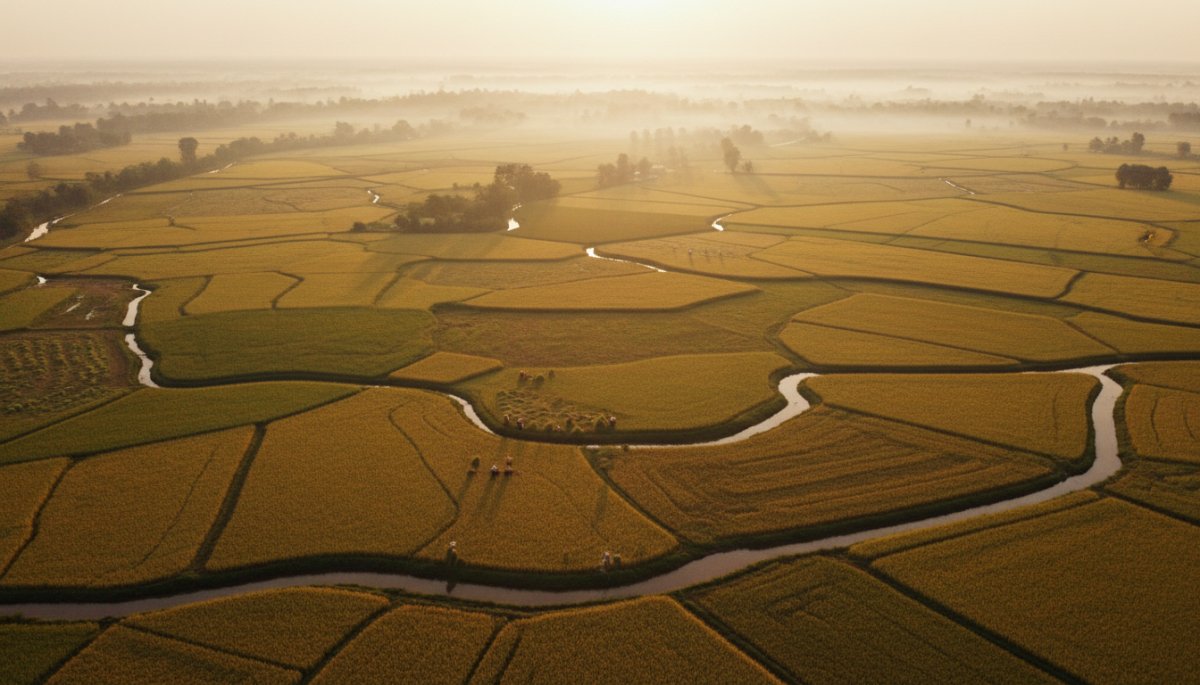
What is also worth noting is that cashew nuts and black pepper rank first in the world in output, and that shrimp output is third in the world while export volume is second, this is its competitiveness. The Mekong Delta is one of the world's leading production areas, responsible for more than half of domestic rice output, and the Central Highlands are a major producing area for plantation crops such as coffee, tea, cacao, and pepper.
However, Vietnamese agriculture also faces serious structural challenges. The average cultivated area per farm is about 0.44 hectares, among the smallest in ASEAN countries, and 97% of all agricultural workers are small- and medium-scale farmers. About 57% of agricultural workers are unskilled, and the share aged 50 or older reaches about 43%, making aging and a shortage of successors conspicuous.
The Vietnamese government has set out its 'Strategy for Sustainable Agriculture and Rural Development to 2030, with a Vision to 2050,' positioning the introduction of smart farming as a national priority. The shift from quantity to quality, raising added value, and developing cold chains are urgent tasks, and here the technology and know-how of Japanese companies are in demand.
SourceNorinchukin Research Institute, 'The Growth of Southeast Asia Seen through Each Country's Agricultural Sector and Agriculture-Related Industries' prepared from
Trend 2: Thailand's 'kitchen of the world' strategy and premiumization
Thailand is known as the 'kitchen of the world,' with agriculture accounting for about 8-9% of GDP.
About 30% of its people work in agriculture-related jobs, and the cultivated area per farm averages about 3 hectares, larger than in Vietnam, with a long commercial history of farming farming history. Jasmine rice (Khao Hom Mali) has earned a high reputation in international markets; its natural rubber output and exports are among the world's largest, and processed chicken it has established a world-class position in exports of such products.
In 2026's Thai agriculture trends, what is worth noting is the acceleration of a premiumization strategy. A shift from the conventional mass-production model toward organic farming and high-value products is advancing. The Thai government operates a certification system under the 'Thai Organic Agriculture Standard' and positions organic rice exports as a growth strategy. In particular, jasmine rice's organic cultivation branding is at the core of its differentiation strategy in international markets.
Around Bangkok, the adoption of smart farming is advancing, and the use of precision agriculture and drones is spreading. The implementation of cutting-edge technologies, such as environmental monitoring with IoT sensors and pest forecasting using AI, is accelerating.
As for challenges, farmers' debt problems are growing serious, and the government has repeatedly implemented repayment-grace measures on loans for farmers. In addition, the dependence of agricultural exports on China is rising, and responding to geopolitical risk is called for.
Trend 3: Indonesia's palm oil industry and sustainability
Indonesia has ASEAN's largest population, about 280 million, and the largest land area, and is also the largest in ASEAN by agricultural output value.
In particular, Palm oil Indonesia is the world's largest producer of palm oil, and together with Malaysia accounts for more than 85% of global output. The palm oil industry contributes to earning foreign currency and creating jobs, but the destruction of tropical rainforest accompanying plantation development, greenhouse gas emissions from clearing peatland, and the loss of biodiversity have drawn international criticism.
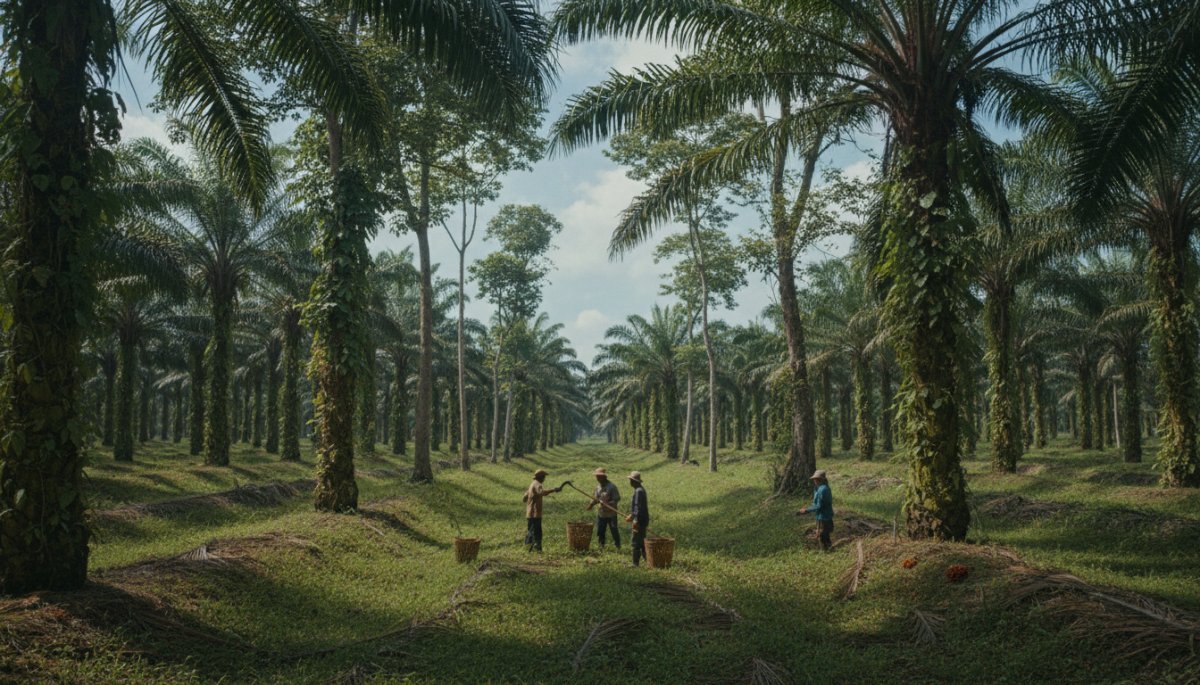
An important trend in 2026 is the shift to sustainable palm oil production. The spread of sustainable palm oil certification (RSPO, ISPO) is being advanced, and to maintain competitiveness in international markets, the shift to environmentally conscious production is accelerating. However, the penetration of certification systems among smallholder farmers remains limited, and support is needed from both technical and economic-incentive angles.
Another feature of Indonesian agriculture is the huge size of its domestic market. Food demand relative to its population is very large, and achieving self-sufficiency in major grains such as rice is a national challenge. From the standpoint of food security, the government is promoting policies focused on improving productivity and developing agricultural infrastructure.
Its geographical character as an island nation brings a logistical challenge, inter-island transport of produce is costly, and for farmers on remote islands, securing market access is an issue that affects their livelihoods.
Trend 4: Responding to climate change and developing tolerant varieties
One of the biggest challenges facing Southeast Asian agriculture is climate change.
Rising sea levels, the increasing frequency of extreme weather, and changes in rainfall patterns are directly hitting rice cultivation, which depends on low-lying delta regions. Vietnam's Mekong Delta, Myanmar's Irrawaddy Delta, and Thailand's Chao Phraya Delta are all low in elevation, and the risks of saltwater intrusion and flooding are increasing year by year. Drought is also serious, and in years when El Nino occurs, water shortages affect the entire Mekong basin, impacting millions of farmers.
As an important move in 2026, the development and spread of tolerant varieties is accelerating. The International Rice Research Institute (IRRI), based in Los Banos in the Philippines, is advancing the development of the flood-tolerant variety 'Sub1' and salt-tolerant varieties, and these varieties are spreading widely across Vietnam, Bangladesh, India, and other areas.
Each country's government is advancing improvements in water management techniques and the building of agricultural insurance systems, but the pace of countermeasures is not keeping up with the progress of climate change. For structural risks that variety improvement alone cannot address, for example the loss of the delta regions themselves to rising sea levels, the very location strategy of agriculture needs to be reconsidered.
Japan's water management technology, precision agriculture technology, and disaster-resilient cultivation systems are expected to contribute in this area.
Trend 5: Implementing smart farming and rolling it out to small- and medium-scale farmers
Smart farming is attracting attention across Southeast Asia.
The Vietnamese government has set out its 'Strategy for Sustainable Agriculture and Rural Development to 2030, with a Vision to 2050,' positioning the introduction of smart farming as a national priority. Various technologies are being demonstrated in many places, such as environmental monitoring with IoT sensors, pesticide spraying by drone, pest forecasting using AI, and automated hydroponics.
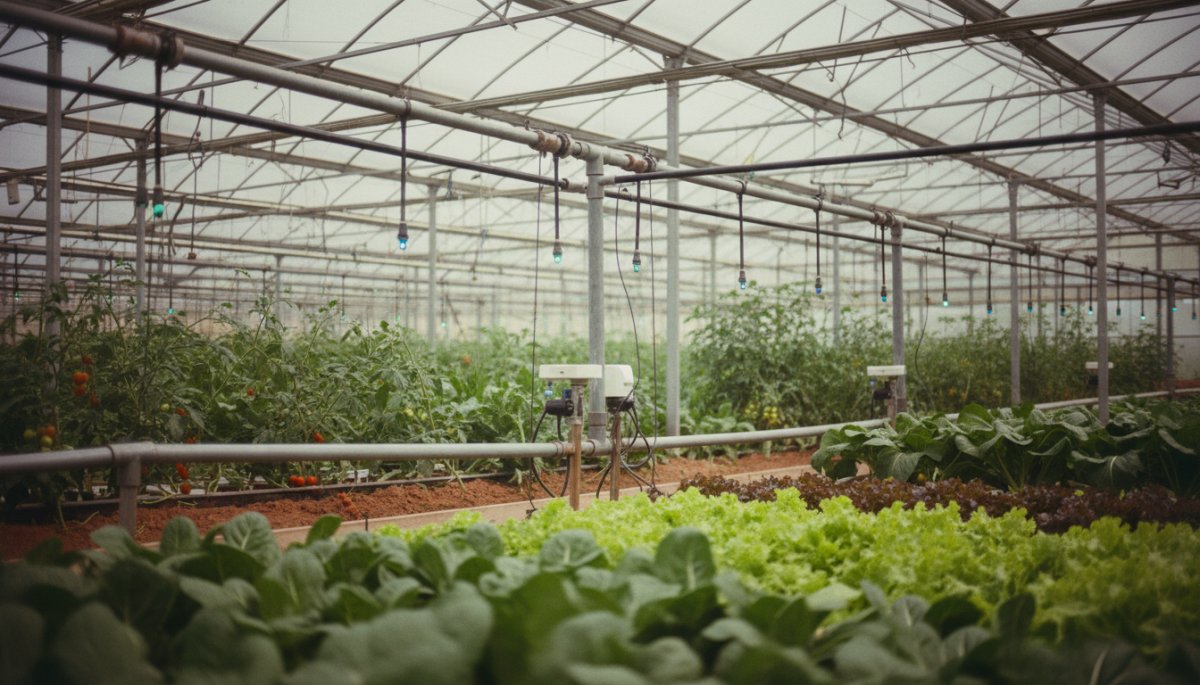
Lam Dong Province (around Da Lat) is a leading region for smart farming in Vietnam, where greenhouse systems for vegetable cultivation and automated irrigation systems have been introduced. In the Mekong Delta, demonstrations of water-saving rice cultivation through the introduction of water management systems are advancing. Technical cooperation by Japanese companies is also active, with demonstration projects for introducing small- and medium-scale greenhouses and remote cultivation support solutions being rolled out.
However, the biggest challenge is spreading it to small- and medium-scale farmers. Given that 97% of all agricultural workers in Vietnam are small- and medium-scale farmers, developing a low-cost smart farming model that does not presuppose expensive equipment is called for. Japan's strength lies in having technology and know-how suited to small- and medium-scale farmers. Unlike the smart farming solutions of the Netherlands or South Korea, which presuppose large-scale agriculture, Japanese agricultural technology may fit the realities of Southeast Asia's smallholder farmers.
Measures to lower the barriers to adoption are called for, such as cheaper sensor technology, cloud-based management systems, and cultivation support via mobile apps.
Trend 6: Organic farming and the 'Japan-ASEAN Midori Cooperation Plan'
The shift to sustainable agriculture is emerging as a policy issue across Southeast Asia.
The 'Japan-ASEAN Midori Cooperation Plan,' adopted at the Japan-ASEAN agriculture and forestry ministers' meeting in May 2023, is a comprehensive cooperation framework aimed at building sustainable agriculture and food systems in the Asian monsoon region. Japan positions ASEAN as its most important partner for the international rollout of the environmental-impact-reducing technologies set out in its 'Strategy for Sustainable Food Systems (MIDORI).'
Specifically, the pillars are the transfer of precision agriculture technology, support for promoting organic farming, the introduction of paddy-field management techniques to reduce greenhouse gas emissions, and support for upgrading agricultural value chains.
Thailand is one of the countries in Southeast Asia where the institutional framework for organic farming is most developed, operating a certification system under the 'Thai Organic Agriculture Standard.' The Thai government positions organic rice exports as a growth strategy, and jasmine rice's organic cultivation is being promoted. In Vietnam too, the Ministry of Agriculture and Rural Development has set expanding organic farming as a policy goal, but the farmland area that has obtained organic certification is still only a tiny fraction of the total.
In Cambodia and Laos, there are moves to make organic farming a differentiation strategy in international markets, taking advantage of the 'latecomer's advantage' that their use of chemical pesticides and fertilizers was low to begin with.
Shifting to organic farming is often accompanied by a temporary drop in yields, which is a significant risk for smallholder farmers with little margin. Mechanisms that support the transition from both technical and economic-incentive angles are needed.
SourceMinistry of Agriculture, Forestry and Fisheries, 'Changes in the Situation Surrounding Food, Agriculture and Rural Areas'(December 2022); compiled from this source.
Trend 7: Accelerating agricultural processing and adding high value
In Southeast Asian agriculture's shift 'from quantity to quality,' processing agricultural products and adding high value are central themes.
The Vietnamese government has set a goal of entering the world's top 15 in agriculture and food processing by 2030, promoting a policy built on three pillars: attracting investment in processing facilities, building out the cold chain, and strengthening branding.
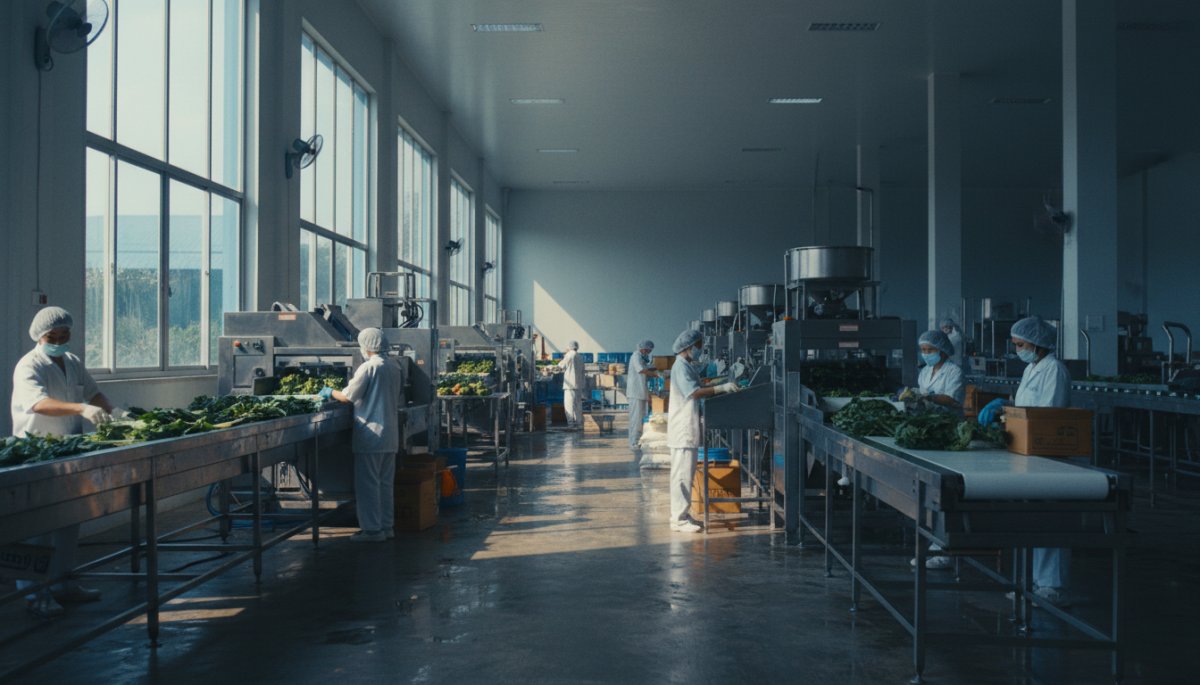
The key here is primary processing techniques such as drying and powdering. Tropical produce spoils quickly and is difficult to transport over long distances or store for long periods as is, but drying or powdering it improves shelf life and also cuts logistics costs. Dried vegetables, dried fruit, and freeze-dried products are seeing growing demand in developed-country markets amid rising health consciousness, and can be a powerful means of delivering Southeast Asian produce to developed countries with added value.
Taking coffee as an example, although Vietnam has the world's second-largest output, a high proportion is exported as green beans, and its brand value as roasted, processed finished products lags behind competitor countries such as Colombia and Ethiopia. To break out of this situation, improvements in domestic roasting and packaging technology, brand building, and stronger quality control are being advanced.
The underdevelopment of cold chains (low-temperature logistics) is also a serious challenge. There are many cases where harvested produce deteriorates and is discarded because it is not properly stored and transported, and post-harvest losses squeeze the profitability of agriculture as a whole. Particularly for perishable items such as fruit and seafood, a shortage of refrigeration and freezing facilities hinders improvements in export competitiveness.
The freezing and refrigeration technology, food-processing machinery, and quality control systems of Japanese companies are expected to contribute in this area.
Trend 8: Strategic use of agricultural trade and FTAs
ASEAN is actively concluding free trade agreements (FTAs) within and beyond the region, which also affect agricultural trade.
The elimination of intra-regional tariffs under the ASEAN Free Trade Area (AFTA) has invigorated the intra-regional distribution of produce, but it is a blow to farmers in less competitive countries. Participation in the RCEP (Regional Comprehensive Economic Partnership) and the CPTPP (Comprehensive and Progressive Agreement for Trans-Pacific Partnership) is also providing new opportunities for Vietnamese and Thai agricultural exports.
Through the CPTPP and the EU-Vietnam FTA (EVFTA), Vietnam has expanded access to developed-country markets. In particular, with the entry into force of the EVFTA, tariffs on coffee, pepper, seafood, and other products are being phased out, improving competitiveness in the EU market. However, to enjoy the benefits of FTAs, produce must meet the quality and hygiene standards of the destination, which is an entry barrier for smallholder farmers.
An important trend in 2026 is the acceleration of market development through the strategic use of FTAs. Each country's government is advancing improvements in the quality of export-oriented produce, support for obtaining international certification, and the simplification of export procedures. For Japanese companies, it becomes possible to use Southeast Asia as a production base and expand globally using the FTA network.
Trend 9: Narrowing the agriculture-industry gap and young people's entry into farming
A structural challenge common to ASEAN countries is the income gap between the agricultural sector and the industrial and service sectors.
According to research, in the original ASEAN member countries (Thailand, Indonesia, Malaysia, the Philippines) the agriculture-industry gap has generally narrowed over the past three decades, whereas in the CLMV countries (Vietnam, Laos, Myanmar, Cambodia) the gap has in fact widened amid rapid industrialization.
This gap is accelerating the outflow of labor from rural to urban areas. Young people migrate to cities seeking jobs in manufacturing and services, leaving the elderly behind in the countryside. In Vietnam, 43% of agricultural workers are aged 50 or older, and this trend is common across Southeast Asia.
In 2026, however, new movements are also seen. As the profitability and appeal of agriculture improve, through the introduction of smart farming, adding high value via processing, and direct sales using e-commerce platforms, signs of young people entering farming are appearing. In particular, cases of the digital-native generation using IT skills to develop agribusiness are increasing.
Governments are also strengthening policies to support young people's entry into farming. Programs to develop agricultural entrepreneurs, startup support, and digital agricultural education are being rolled out in each country, pursuing a strategy that simultaneously resolves the shortage of people to carry on farming and modernizes the industry.
Trend 10: Strengthening food safety and traceability
For Southeast Asian produce to raise its competitiveness in international markets, ensuring food safety and traceability (the ability to trace production history) is an important challenge.
Major export destinations such as the EU, Japan, and the United States are tightening pesticide-residue standards and hygiene standards year by year, and produce that cannot meet them is shut out of the market. Soil degradation and water pollution from excessive use of pesticides and chemical fertilizers, and pesticide-residue problems, pose a double challenge: the health risk to domestic consumers and the need to meet the hygiene standards of destination countries.
In Vietnam, the building of traceability systems for produce has advanced in recent years, but implementation at the smallholder level lags behind. The introduction of origin-tracking systems using blockchain technology and the spread of GAP (Good Agricultural Practices) certification are being attempted, but overall they are still at an early stage.
As an important move in 2026, strengthening traceability using digital technology is accelerating. The implementation of cutting-edge technologies is advancing, such as making production history visible via QR codes, preventing tampering with blockchain, and real-time quality control with IoT sensors.
The quality control systems, inspection technology, and traceability solutions of Japanese companies are expected to contribute in this area. In particular, the development of low-cost traceability systems that even small- and medium-scale farmers can adopt is in demand.
Summary: The future of Southeast Asian agriculture and its business opportunities
Southeast Asian agriculture holds enormous potential and serious challenges at the same time.
Although it is one of the world's leading regions for agricultural exports, it has many structural problems: low added value, vulnerability to climate change, stagnant productivity among smallholder farmers, and underdeveloped cold chains. But conversely, the room for improvement is itself room for growth.
Led by Vietnam, Southeast Asian countries are accelerating a shift in mindset from 'agricultural production' to 'agricultural economy.' The move from an era of pursuing quantity to an era that values quality, safety, environmental sustainability, and brand value also represents a business opportunity for companies in Japan and other developed countries.
Raising added value through drying and powdering produce, rolling out smart farming technology to small- and medium-scale farmers, supporting organic certification, supporting the building of cold chains, and introducing traceability systems. These are all areas where Japanese companies with technology and know-how can contribute.
At the same time, the development of Southeast Asian agriculture also carries important meaning for the world's food security. As the global population passes 8 billion and climate change affects agricultural production around the world, the production potential of Southeast Asia's tropical agriculture is one of the foundations supporting the global food supply.
Vietnam, with 100 million stomachs to feed; Indonesia, with 280 million; Thailand, with 70 million. The process by which these countries' agriculture advances and becomes deeply embedded in global value chains will become an important story in any account of the twenty-first-century Asian economy.
The landscape of the Southeast Asian countryside is right now in the midst of a great transformation. Now is the time to begin acting to seize this change and turn it into a business opportunity.
You May Also Like
- How to Make Southeast Asian Agriculture More Efficient? 9 Practical Methods for Boosting Productivity
- An explanation of the latest trends and entry strategies for Vietnamese agritech startups
- What Is the Future Potential of Southeast Asian Agriculture? 8 Investment Opportunities Looking Ahead to Growth from 2026