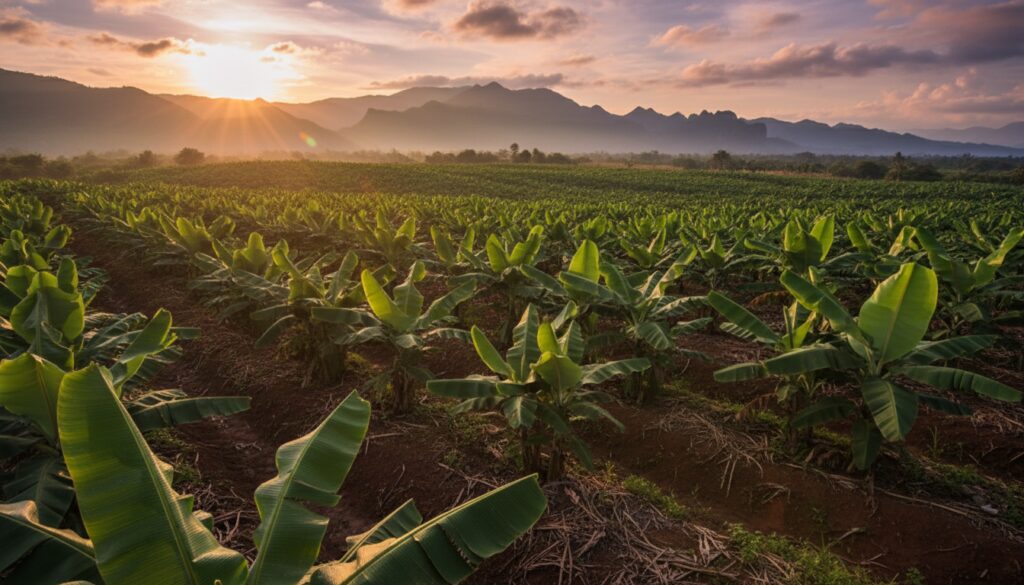
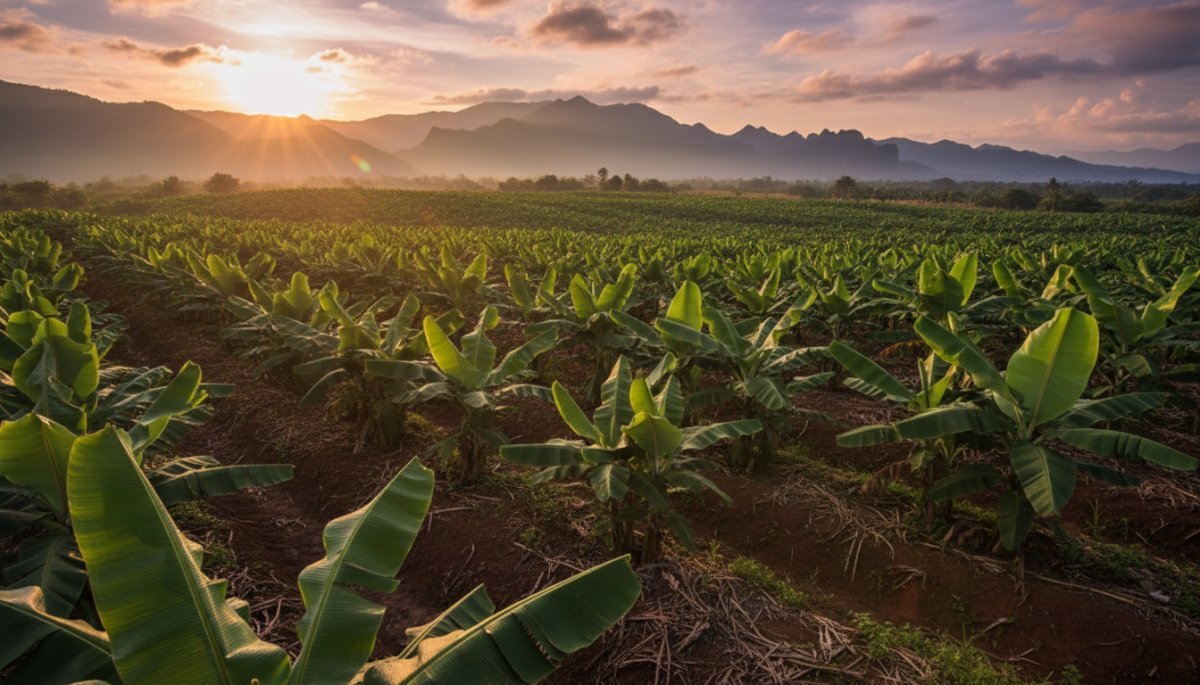
Have you ever noticed that many of the bananas lined up in the supermarket are from the Philippines?
As one of the world's leading banana exporters, the Philippines shows an overwhelming presence in international markets, including Japan. In particular, most bananas bound for Japan are shipped from southern Mindanao, playing an important role in supporting our dinner tables.
However, behind that success lies more than just favorable climate conditions—there is a strategic industrial structure and a commitment to sustainability. This article explains in detail the 7 reasons the Philippine banana export business holds world-class competitiveness, drawing on the latest data and conditions on the ground.
Overview of the Philippine Banana Industry and Its Global Position
As one of the world's leading banana exporters, the Philippines has built a firm position in international markets.
Bananas are one of the Philippines' main agricultural products, and southern Mindanao in particular is known as a major banana plantation area. Much of the banana supply bound for Japan is shipped from this region, and most of the bananas we see day to day are from the Philippines.
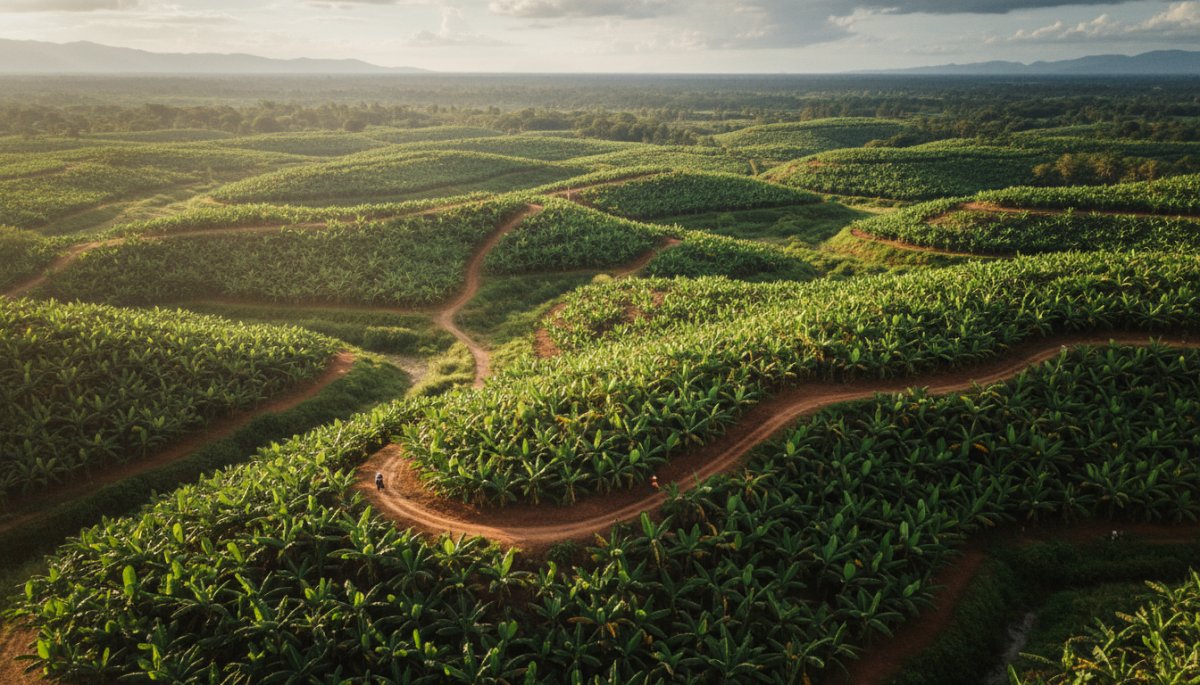
The Philippine banana industry has established a highly organized, export-oriented business model that goes beyond mere agricultural production. Centered on the Cavendish variety, variety improvement and quality-control systems have been introduced to meet the needs of export destinations.
Looking across Southeast Asia as a whole, agriculture is an important component of GDP and employment. In Vietnam, more than 40% of the workforce is engaged in agriculture; Thailand is known as the "kitchen of the world"; and Indonesia boasts ASEAN's largest agricultural output. Within this, the Philippines has established a distinctive position with an export strategy specialized in a single crop, the banana.
That said, looking at Philippine agriculture as a whole, it faces challenges: with nearly 20 typhoons approaching or making landfall each year on average, there is a high risk of severe crop damage. It is also the only net rice importer among the major ASEAN countries, and vulnerabilities in food security have been pointed out.
Even in such an environment, the banana export business has continued to grow steadily. What are the sources of competitiveness behind this?
Reason 1: Mindanao's Optimal Natural Conditions
The first reason for the competitiveness of Philippine banana exports lies in the ideal natural environment of Mindanao.
The Blessings of a Tropical Monsoon Climate
Mindanao has a tropical monsoon climate, with warm temperatures and abundant rainfall throughout the year. Banana cultivation is said to be ideally suited to an annual average temperature of 26 to 27 degrees and annual rainfall of 2,000 to 2,500 millimeters, and Mindanao meets these conditions.
The reason Southeast Asia as a whole is one of the world's leading agricultural regions also lies in this tropical monsoon climate and its fertile delta regions. Fertile land formed by great rivers—Vietnam's Mekong Delta, Thailand's Chao Phraya basin, Myanmar's Irrawaddy Delta, and others—has supported agricultural production.
A Relatively Low Typhoon Risk
Across the Philippines as a whole, nearly 20 typhoons approach or make landfall each year on average, but because Mindanao lies geographically off the main typhoon paths, it has the advantage of a lower risk of typhoon damage compared with other regions.
This is an extremely important factor in making large-scale plantation investments. Catastrophic typhoon damage makes the recovery of agricultural investment uncertain and makes long-term business planning difficult. Mindanao's relative climatic stability enables continuous production and stable supply.
Fertile Volcanic Soil
Mindanao has fertile volcanic soil rich in nutrients well suited to banana cultivation. These soil conditions form the foundation for producing high-quality bananas in a stable manner.
Reason 2: Efficient Production Through Large-Scale Plantations
By adopting a large-scale plantation model, the Philippine banana industry achieves high production efficiency and uniform quality.
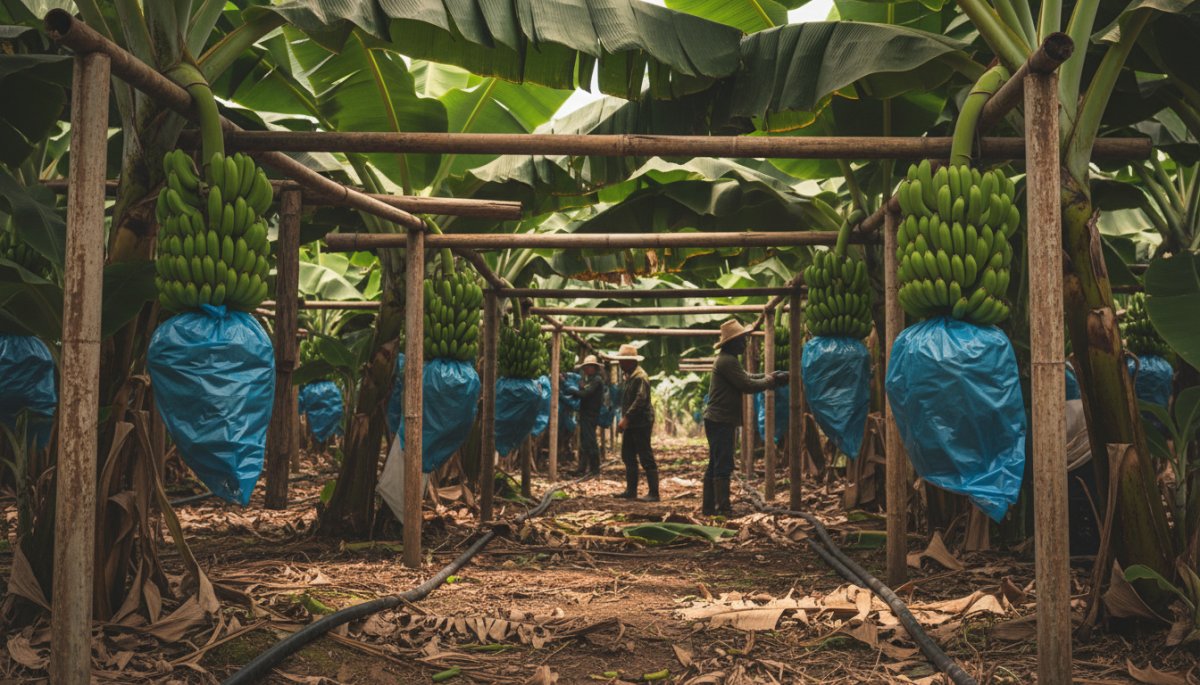
Pursuing Economies of Scale
Southern Mindanao is home to banana plantations on the scale of several hundred hectares. This is a striking feature even compared with other Southeast Asian countries.
In Vietnam, the average cultivated area per farm is about 0.44 hectares, among the smallest in ASEAN, and 97% of all agricultural workers are small and medium-scale farmers. In Thailand, too, the average farmland area per household is only about 3 hectares.
By contrast, Philippine banana plantations, run as large-scale corporate operations, have introduced mechanized and standardized production processes. Their large scale makes investment in irrigation systems, quality-control facilities, and transport infrastructure possible, significantly reducing production costs per unit area.
Organized, Company-Led Management
The Philippine banana industry is characterized not by dispersed production by smallholders but by an organized management structure led by major companies. This enables consistent quality control from variety selection through harvesting, packing, and transport.
Another advantage of corporate management is the rapid adoption of the latest agricultural technology and quality-control systems. It is difficult for individual smallholders to make the investments needed to meet international market requirements, but large-scale plantations can systematically carry out the necessary capital investment and human-resource development.
Job Creation and Contribution to the Regional Economy
Large-scale plantations also contribute greatly to job creation in Mindanao. In Mindanao, 59% of people live below the poverty line—more than double the national average—so providing stable employment opportunities has important meaning for the regional economy.
Banana plantations require a large workforce for everything from cultivation to harvesting, packing, and transport, providing continuous employment opportunities to local residents.
Reason 3: Specializing in the Cavendish Export Variety
The key to the success of Philippine banana exports lies in a strategy specialized in the Cavendish banana, the variety most in demand in international markets.
Concentrating on the Global Standard Variety
The Cavendish banana is the most widely circulated variety in the world's export markets. With its high transport durability, ease of maintaining uniform quality, and good shelf life, it is established as the variety best suited to international trade.
By specializing in the large-scale production of this Cavendish export banana, the Philippines has precisely met the needs of international markets. Other varieties (such as the Lakatan) are also grown for domestic consumption, but the core of the export strategy is firmly the Cavendish banana.
Efforts in Variety Improvement and Quality Enhancement
To meet the needs of export destinations, the Philippines has carried out continuous variety improvement. Research and development to maintain competitiveness in international markets has advanced, including strengthening resistance to pests and diseases, improving yields, and preserving quality during transport.
Across Southeast Asia, variety improvement for export crops is an important issue. Just as the flood-tolerant variety "Sub1" and salt-tolerant varieties developed by the International Rice Research Institute (IRRI) have spread widely across Vietnam, Bangladesh, India, and elsewhere, variety improvement is a source of agricultural competitiveness.
Meeting International Standards
In producing Cavendish bananas, meeting international food safety and quality standards is essential. The Philippine banana industry has built a quality-control system to meet the strict standards of export destinations such as Japan, the United States, and the EU.
residue limits for pesticides, traceability, Sanitary management and other diverse standards demanded by international markets—by meeting these, Philippine bananas have established their position as a highly reliable agricultural product.
Reason 4: A Strategic Approach to the Japanese Market
In the Philippines' banana export strategy, the Japanese market is the most important target.
An Overwhelming Share of Exports to Japan
Japan is the world's number-one banana export market for the Philippines. Most of the bananas lined up in Japanese supermarkets are from the Philippines, and for Japanese consumers, Philippine bananas are one of the most familiar imported fruits.
This overwhelming share has been built on a track record of stable supply and quality control over many years. Understanding the quality standards Japanese consumers demand and establishing a production system to meet them has led to its current position.
Meeting Japan's Quality Requirements
The Japanese market is one of the most demanding in the world in terms of quality standards. Many factors are evaluated, including appearance, uniformity of size, sweetness, and texture.
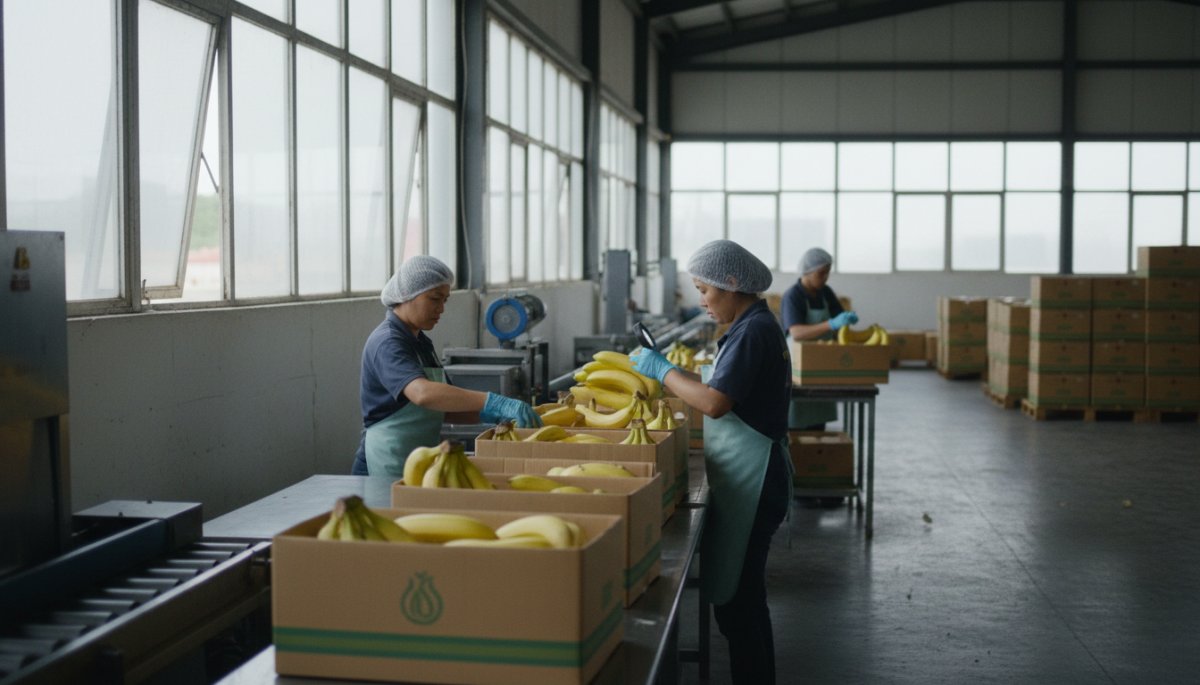
To meet the requirements of this Japanese market, the Philippine banana industry carries out detailed quality control, including managing the harvest timing, controlling temperature during transport, and optimizing packing methods. Bananas exported to Japan undergo strict quality checks at every stage from harvest to the store shelf.
Price Competitiveness and Stable Supply
In June 2022, Philippine Ambassador to Japan Jose Castillo Laurel requested that Japan raise the trading price of bananas, a request that symbolizes the challenges facing the Philippine banana industry.
In the balance of power between producers and trading companies, producers in a weak position on pricing have fallen into poverty through unfair trading. The cost increases brought on by the COVID-19 pandemic and Russia's invasion of Ukraine pushed many banana farmers to their limits, which was the background to the request for a price increase.
Even so, the Philippines has continued to maintain a stable supply to the Japanese market. This is proof of the long-term relationship of trust and the hard-to-replace supply system it has built.
SourceGNV, "The Hidden Realities of the Philippine Banana Industry" Created based on the above (2022).
Reason 5: An Advanced Quality-Control System and Logistics Network
An important element supporting the competitiveness of Philippine banana exports is a highly organized quality-control system and logistics network.
Integrated Management from Harvest to Shipment
Bananas are fresh produce that continue to respire and change in quality after harvest. For this reason, the timing of harvest, temperature control, and transport speed greatly affect quality.
On Philippine banana plantations, the harvest timing is strictly managed, and bananas are harvested at the optimal ripeness, calculated backward from the time they will arrive in the destination market. After harvest, they are promptly washed, sorted, and packed, then carried to port in a temperature-controlled transport system.
Developing the Cold Chain
As a challenge for Southeast Asian agriculture as a whole, the underdevelopment of the cold chain (low-temperature logistics) has been pointed out. In Vietnam, harvested produce is often not properly stored or transported and deteriorates or is discarded, and post-harvest losses weigh on the revenue of agriculture as a whole.
By contrast, the Philippine banana export industry has developed a cold chain specialized for export bananas. An integrated low-temperature management system—sea transport in refrigerated containers, temperature control at port facilities, and rapid delivery in the importing country—makes it possible to preserve quality.
Securing Traceability
In international markets, securing food safety and traceability (the ability to track production history) is becoming more important year by year. Major export destinations such as the EU, Japan, and the United States are tightening residue limits for pesticides and hygiene standards, and produce that cannot meet them is shut out of the market.
Thanks to the integrated management of large-scale plantations, the Philippine banana industry finds it relatively easy to record and track production history. A system that can trace which plantation produce came from, when it was harvested, and what processing it went through before shipment increases reliability in international markets.
Reason 6: Commitment to Sustainability and International Certification
In recent years, the Philippine banana industry has strengthened its commitment to sustainability.
Addressing Environmental Impact
Across Southeast Asia, the shift from conventional chemical-based farming to organic and sustainable farming has emerged as a policy issue. The "Japan-ASEAN Green Cooperation Plan," adopted at the Japan-ASEAN Ministerial Meeting on Agriculture and Forestry in May 2023, is a comprehensive framework of cooperation for building sustainable agriculture and food systems in the Asian monsoon region.
The Philippine banana industry is also introducing environmental-impact-reduction technologies to address soil degradation and water pollution from the excessive use of pesticides and chemical fertilizers, as well as the problem of pesticide residues. It is attempting a shift to sustainable cultivation methods such as integrated pest management (IPM), the use of organic fertilizers, and water-saving irrigation systems.
Obtaining International Certification
To maintain competitiveness in international markets, the Philippine banana industry is advancing the acquisition of various international certifications. Certifications that demonstrate sustainability and social responsibility—such as GAP (Good Agricultural Practices) certification, organic certification, and Fair Trade certification—are gaining importance as a differentiation strategy.
These certifications are comprehensive standards that cover not only environmental protection but also the protection of workers' rights and the securing of fair trading conditions. Obtaining certification increases reliability in international markets and can also make sales at premium prices possible.
Adapting to Climate Change
One of the greatest challenges facing Southeast Asian agriculture is climate change. Rising sea levels, the growing frequency of extreme weather, and changes in rainfall patterns directly affect agricultural production.
The Philippine banana industry is also exploring measures to adapt to climate change. Efforts to respond to changing environmental conditions are advancing, including developing disease-resistant varieties, improving irrigation systems, and managing cultivation using weather data.
Reason 7: Leveraging International Cooperation and Technology Transfer
The Philippine banana industry has actively leveraged international cooperation and technology transfer.
Agricultural Cooperation with Japan
Agricultural cooperation between Japan and ASEAN has entered a new phase in recent years. The "Japan-ASEAN Green Cooperation Plan," adopted at the Japan-ASEAN Ministerial Meeting on Agriculture and Forestry in May 2023, is a comprehensive framework of cooperation for building sustainable agriculture and food systems.
Japan positions ASEAN as its most important partner for the international rollout of the environmental-impact-reduction technologies set out in its Strategy for Sustainable Food Systems (MIDORI). Its pillars are the transfer of precision farming technology, support for promoting organic farming, the introduction of paddy-field management techniques to reduce greenhouse gas emissions, and support for upgrading agricultural value chains.
Adopting Smart Farming Technology
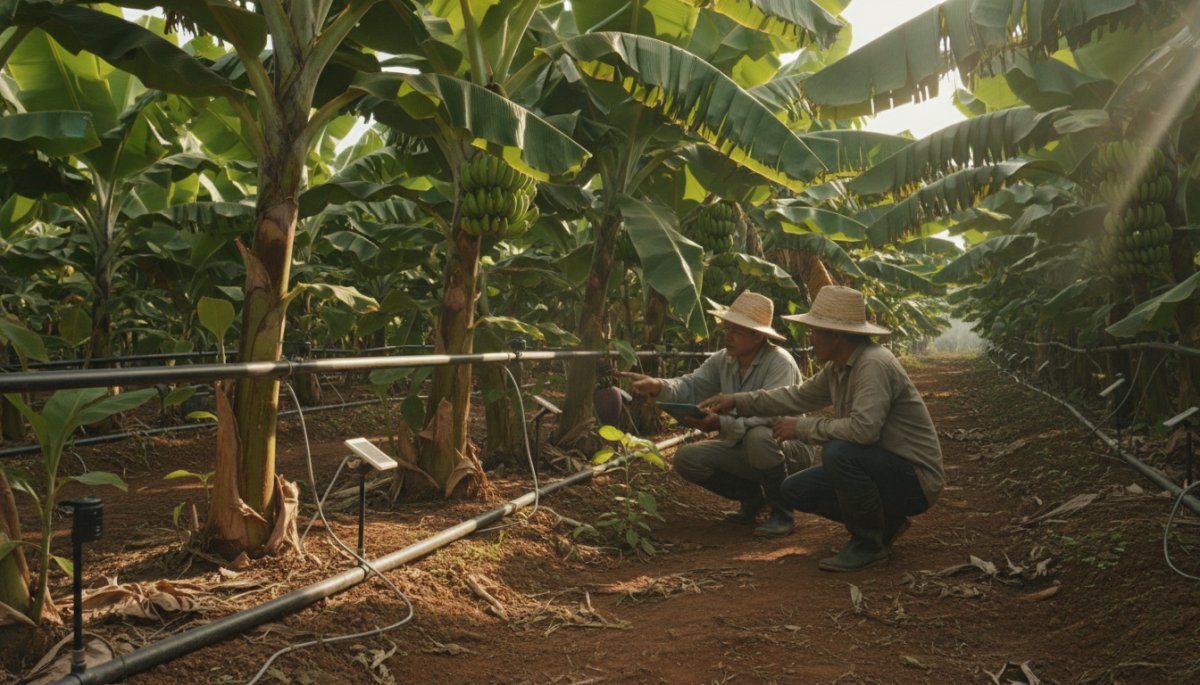
Each Southeast Asian country positions the adoption of smart agriculture as a national priority. The Vietnamese government has set out its "Strategy for Sustainable Agriculture and Rural Development to 2030, with a Vision to 2050," and is advancing demonstrations of various technologies, including environmental monitoring via IoT sensors, pesticide spraying by drones, and AI-based pest and disease prediction.
The Philippine banana industry is also considering the adoption of such cutting-edge technologies. Taking advantage of the characteristics of large-scale plantations, the use of technologies that balance efficiency and quality—such as data-driven cultivation management, automated irrigation systems, and growth monitoring via remote sensing—is anticipated.
Knowledge Sharing and the Spread of Best Practices
Through frameworks of international cooperation, the Philippines gains opportunities to learn from other countries'success stories and technologies. By sharing the experiences of Southeast Asian countries—Thailand's organic agriculture standards, Vietnam's coffee production techniques, Indonesia's Palm oil certification systems, and more—it applies them to the development of its own agriculture.
At the same time, the Philippine banana export business model is itself something other countries should learn from success stories, serving as a model. The Philippines' experience—large-scale plantation management, quality-control systems, and a strategic approach to international markets—contributes to the development of Southeast Asian agriculture as a whole.
Challenges Facing the Philippine Banana Industry and the Outlook Ahead
The Philippine banana industry holds world-class competitiveness, but it also faces several important challenges.
Improving Producers' Profitability
As the 2022 request for a price increase shows, the imbalance in the balance of power between producers and trading companies is a serious problem. If trading prices continue to inadequately reflect rising production costs, maintaining a sustainable production system will become difficult.
Efforts to improve the revenue structure of the entire banana industry are needed, including securing fair trading conditions, raising added value, and strengthening producers' bargaining power.
Improving Working Conditions
Improving working conditions on large-scale plantations is also an important challenge. Management that fulfills social responsibility—appropriate wages, safe working conditions, and protection of workers' rights—increases reliability in international markets.
Adding Value and Diversifying
As a challenge for Southeast Asian agriculture as a whole, low added value has been pointed out. The majority of agricultural exports are unprocessed primary commodities, and exports of value-added processed products remain limited.
For the Philippine banana industry too, developing and expanding exports of processed products—such as dried bananas, banana chips, and banana puree—in addition to fresh bananas will be key to growth. Primary processing technologies such as drying and powdering dramatically improve shelf life and also reduce logistics costs.
Pursuing Sustainability
Commitment to sustainability—adapting to climate change, reducing environmental impact, and conserving biodiversity—will become increasingly important. Realizing agriculture in harmony with the environment from a long-term perspective, rather than pursuing short-term profit, will shape the future of the Philippine banana industry.
Conclusion: The Strength and Potential of the Philippine Banana Export Business
We have explained from 7 perspectives why the Philippine banana export business holds world-class competitiveness.
Mindanao's optimal natural conditions, efficient production through large-scale plantations, specialization in an export variety, a strategic approach to the Japanese market, an advanced quality-control system, a commitment to sustainability, and the use of international cooperation—these elements work together to form the international competitiveness of Philippine bananas.
At the same time, the challenges to be solved have become clear, including improving producers' profitability, improving working conditions, adding value, and pursuing sustainability. By addressing these challenges appropriately, the Philippine banana industry holds the potential for further growth and development.
As Southeast Asian agriculture as a whole is called on to shift from "agricultural production" to an "agricultural economy"—from quantity to quality—the Philippine banana export business stands as a success model specialized in a single crop, an example other countries can learn from.
Behind the Philippine bananas we handle every day lie such a strategic industrial structure and a challenge toward sustainability. It will be worth watching how the Philippine banana industry evolves going forward.
If you are interested in Southeast Asia's agricultural business, please check the latest information and deepen your understanding of this region's agricultural potential and challenges.